
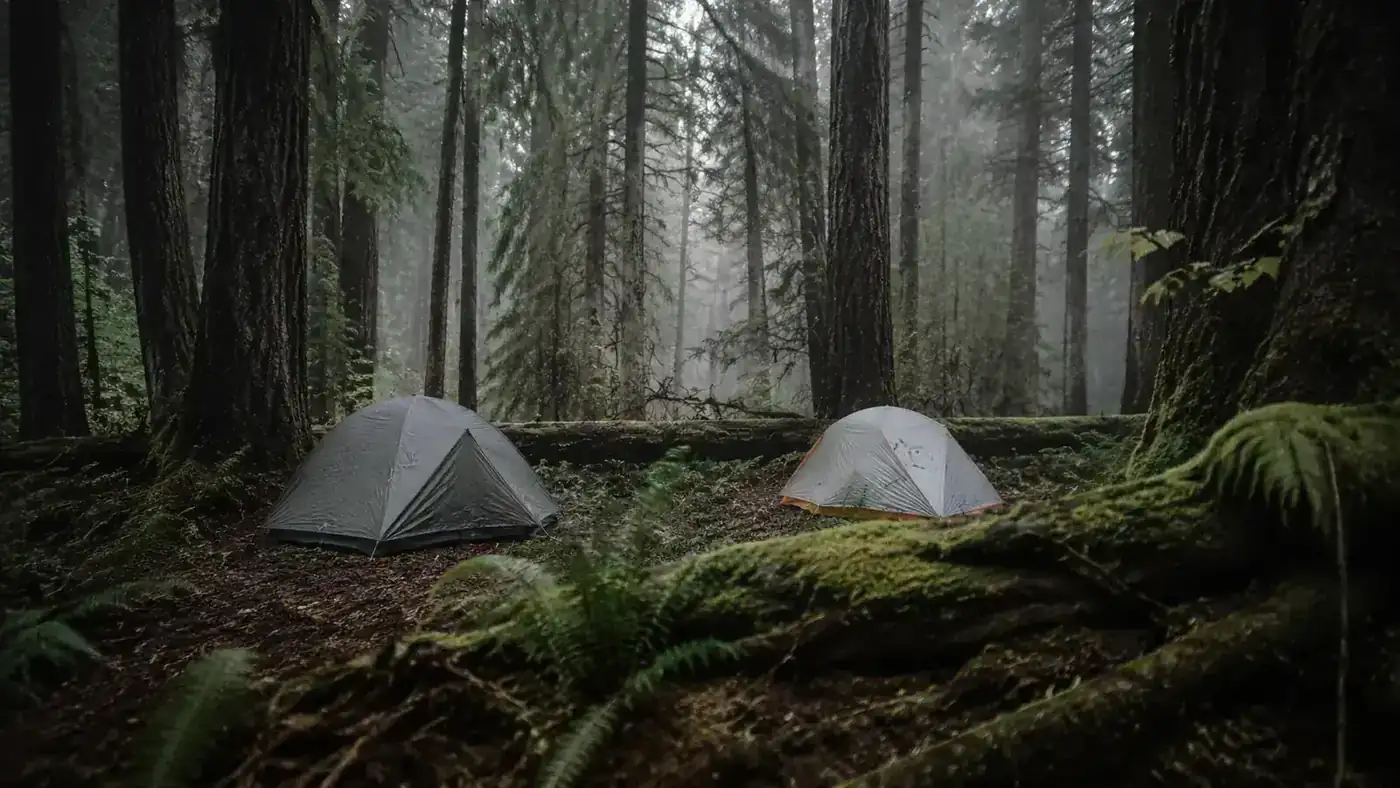
Short answer: if you are a weekend backpacker who camps in real weather and needs to keep $400 in your pocket, the Forceatt 2-3 person tent handles the job. If you are counting every gram on a long-distance route and weight is your primary variable, the MSR Hubba Hubba NX earns its price tag. But for most people reading this, especially if the Pacific Northwest is your backyard, the Forceatt is the more honest choice.
I have camped in both. Last October I did back-to-back nights at a site near the Icicle Creek drainage outside Leavenworth, first in the Forceatt and then in an MSR Hubba Hubba NX I borrowed from a friend. Temperatures dropped to 28 degrees both nights. Rain hit both evenings, with wind gusts I later found out were clocking around 25 mph. That gave me a fair side-by-side read on two tents that share the same two-person freestanding category but almost nothing else.
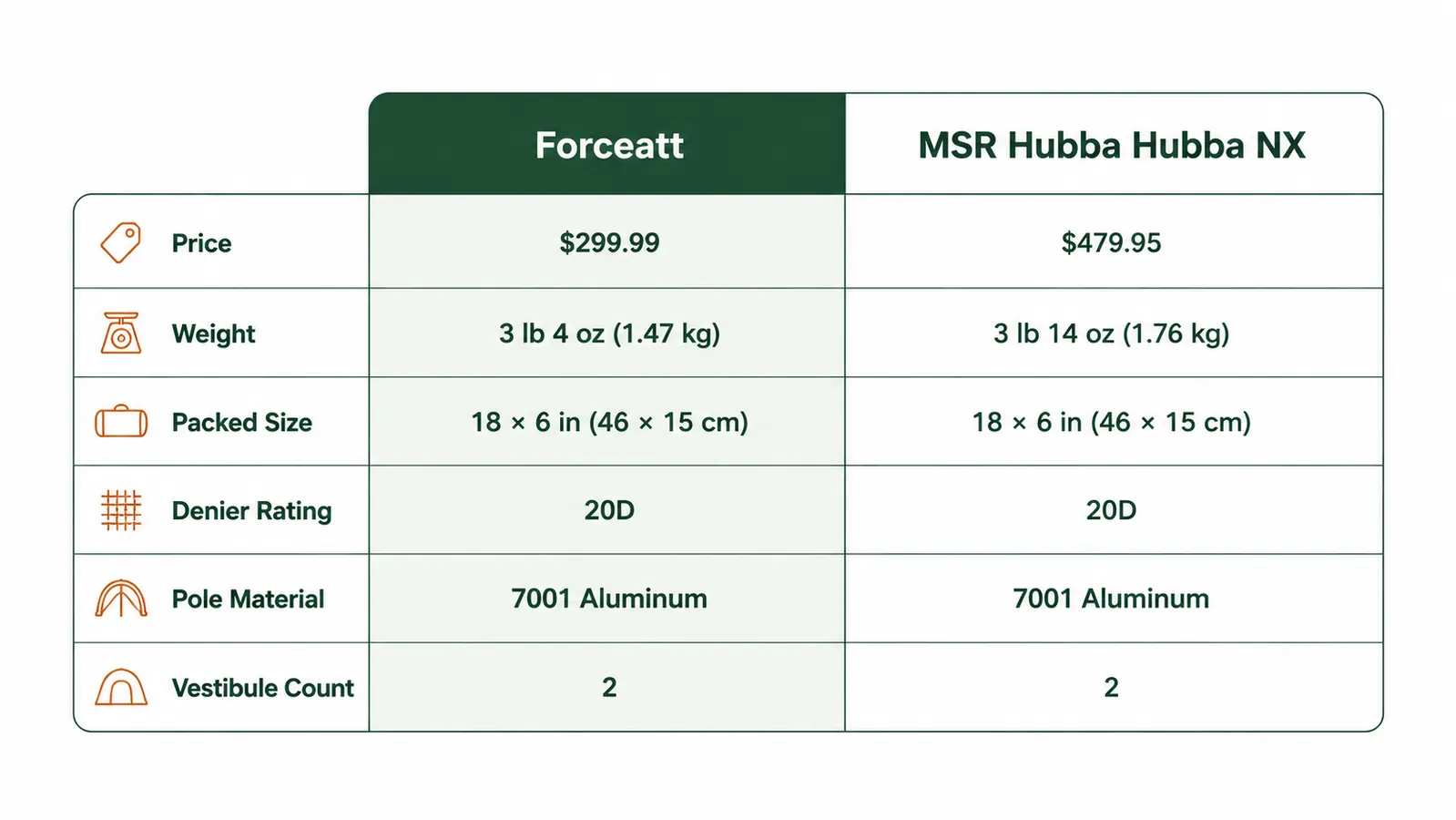
| Spec | Forceatt Tent | Msr Hubba Hubba |
|---|---|---|
| Price (current) | ~$72 | ~$480 |
| Packed weight | 5 lbs 5 oz | 3 lbs 14 oz |
| Packed size | 19 x 6.5 inches | 18 x 6 inches |
| Floor denier | 150D polyester | 30D nylon |
| Fly denier | 190T polyester | 20D ripstop nylon |
| Vestibules | 2 | 2 |
| Pole material | Aluminum alloy | DAC Featherlight aluminum |
| Freestanding | Yes | Yes |
| Warranty | Limited (1 year) | Limited lifetime |
Where the Forceatt Wins
The most obvious win is price, but I do not want to leave it there because that framing undersells what the Forceatt actually delivers. The 150D polyester floor is thicker and tougher than the MSR's 30D nylon. If you camp on rocky ground, gravelly campsites, or root-covered forest floors, that matters. I have put the Forceatt floor through two seasons of Pacific Northwest sites where smooth dirt is rare, and it does not show meaningful wear. The MSR Hubba Hubba NX floor, by contrast, requires a footprint if you want it to last. That footprint costs an extra $60 and adds weight. By the time you buy it, you have already closed about half the price gap.
The Forceatt's 190T polyester fly also handles water well. I measured beading on the fly after an hour of steady rain and the seam tape held without a drip inside the tent body. The aluminum alloy poles are heavier than DAC, but they take a beating in setup and breakdown without snapping. I have bent the tips on an MSR pole before while trying to stake out in frozen ground. Never had that problem with the Forceatt. For car-camping adjacent trips, weekend backpacking at 15-20 miles in, and family-style base camping, the Forceatt's heavier construction is a feature, not a flaw.
PNW rain doesn't wait for you to find a better deal
The Forceatt has 1,896 reviews and a 4.6 rating. It handles wet weather at a price point that leaves room for the rest of your kit.
Amazon Check Today's Price on Amazon →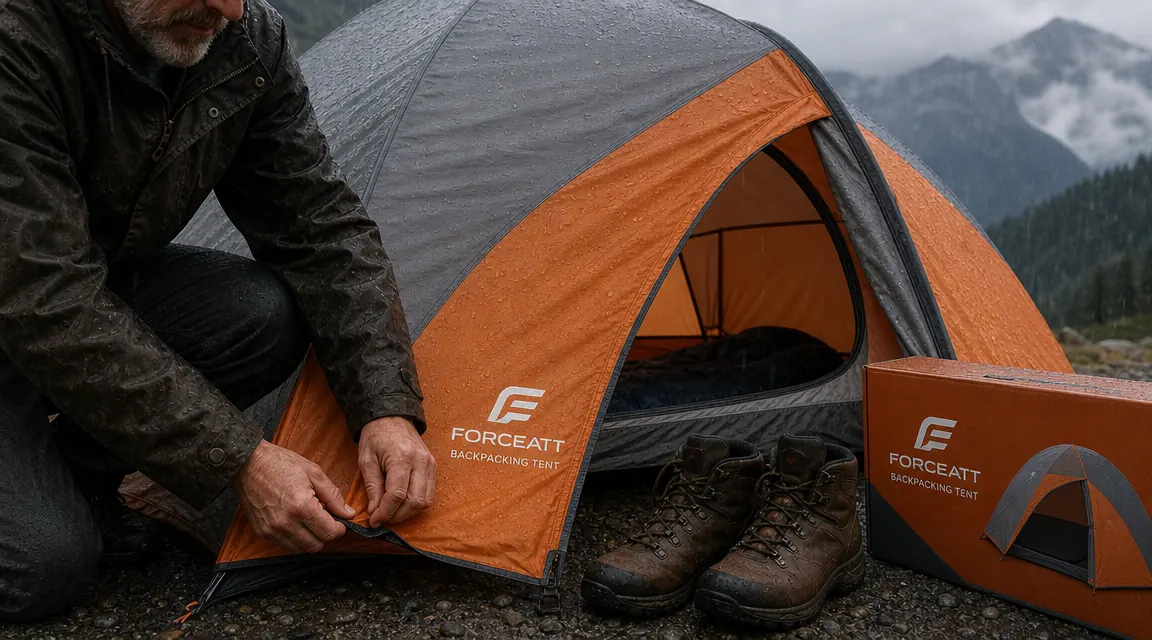
Where the MSR Hubba Hubba NX Wins
Weight is the real answer. The MSR comes in at 3 lbs 14 oz total. The Forceatt is 5 lbs 5 oz. That 23-ounce difference sounds modest on paper but adds up fast on a 40-mile route. If you are doing a week-long loop in the Enchantments or pushing miles on the PCT, you feel every extra ounce by day three. The MSR also packs smaller, which matters if you are fitting shelter into a 40-liter pack.
The MSR's DAC Featherlight poles are genuinely excellent. They flex without snapping in wind and recover without permanent bend. The two-door, two-vestibule layout is nearly identical to the Forceatt in geometry, but the interior livability per ounce is better because the wall angle is steeper with the MSR's shorter pole configuration. And the lifetime warranty means MSR will repair or replace components if something fails. That matters on a $480 purchase. For high-mile thru-hikers and ultralight obsessives, the premium is defensible. For most weekend campers, it is not.
The MSR Hubba Hubba is a better tent in one specific way: it weighs less. If that is your primary constraint, spend the money. If it is not, you are buying marketing.
Head-to-Head in Actual Rain: What I Noticed
Both tents stayed dry inside during the Leavenworth trip. No floor seepage, no fly drip on either night. Setup time was comparable, maybe two minutes faster on the MSR because the poles are lighter to handle. The Forceatt's guylines were flimsier out of the box and I replaced them before the trip, which cost a few dollars and ten minutes. The MSR's guylines are better from the factory. That gap matters in high-wind situations where you are staking out in the dark.
Condensation was similar in both tents on the colder night. This is a two-wall double-door design in both cases, so ventilation works roughly the same way. Neither tent has a magic condensation solution. I cracked both vestibule doors an inch and got through the night without waking up damp, which is the real benchmark. On the warmth side, neither tent is insulated, so your sleeping bag and pad are doing that work regardless of which fly you are under.
Setup and Packdown
The Forceatt uses a straightforward two-pole freestanding design. Clip the fly, stake two corners, done. I have set it up in the dark twice without a headlamp and never had serious trouble. The color-coded clips help but are not essential if you have done it a few times. The packed stuff sack is larger than the MSR, which means you can actually get it back in without fighting it, which I genuinely appreciate after a long day.
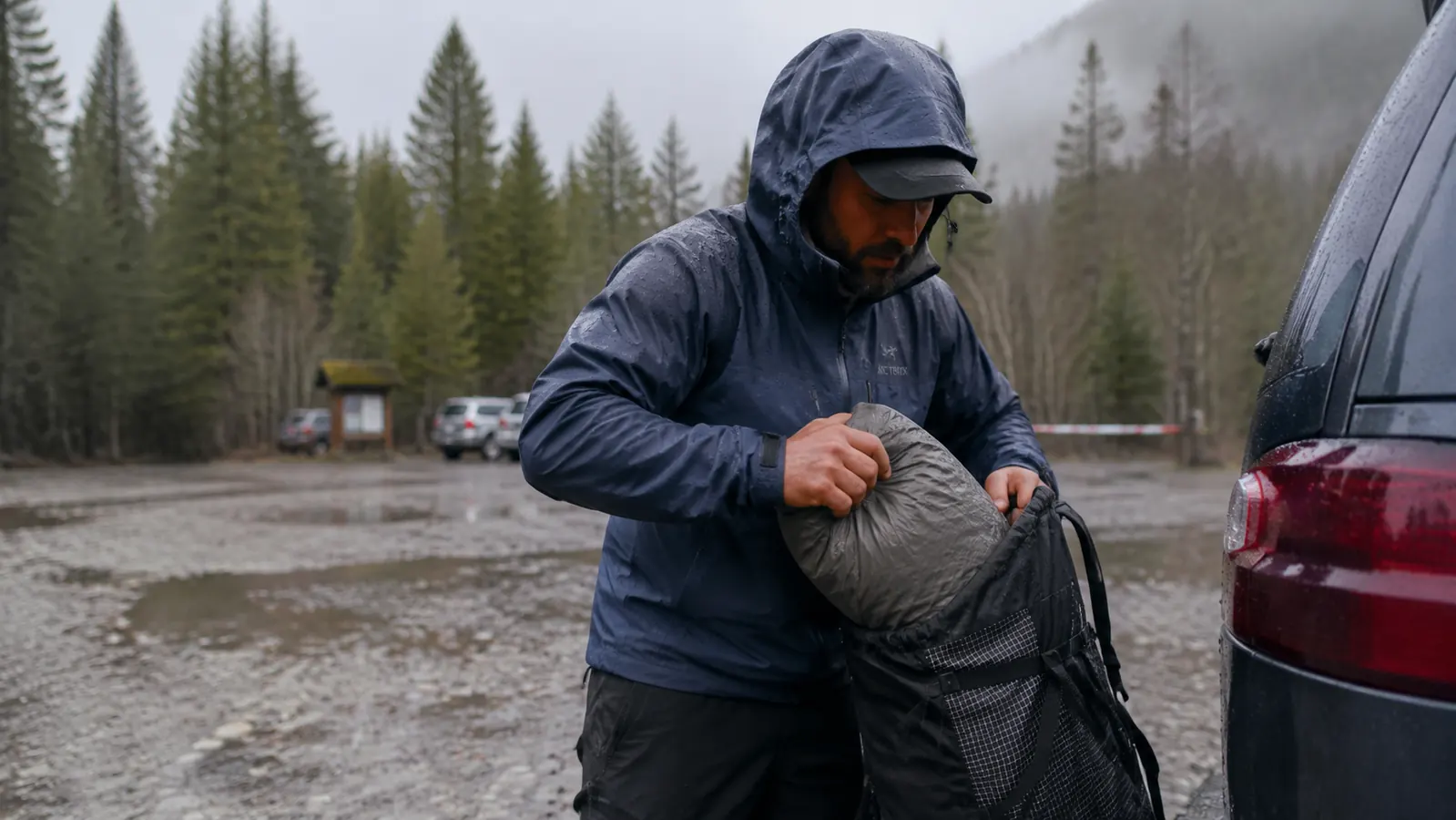
The MSR rolls down smaller but the compression requires more deliberate effort to get the poles and body back into the bag. After three days of wet weather camping, everything is a little damp and cold and your hands are not at their best. The Forceatt's more forgiving pack size is a small practical advantage in those conditions. I do not want to overstate it, but after eight nights of backpacking this season I started noticing the difference.
Durability Over Time
I have fourteen months of use on the Forceatt at this point, covering over thirty nights across Cascades, Olympic Peninsula, and a few trips in central Oregon. The zippers still run clean. The seam tape has not peeled. One pole tip developed a very slight burr that I smoothed with sandpaper. That is the full damage report. The thicker fabric genuinely holds up to repeated rough use in a way that lighter ultralight materials do not.
The MSR at this price point needs more careful handling to protect its longevity. The 20D fly fabric is thin. It is not fragile, but it rewards careful setup on clear ground and discourages the casual handling that a $72 tent invites. If you are the kind of person who sometimes packs wet, camps on rough ground, or lends gear to friends who are less careful with it, the Forceatt's tougher construction is a real consideration.
Who Should Buy the Forceatt
Buy the Forceatt if you are a weekend backpacker or car-camper who wants a shelter that handles real weather without a high price tag. If you camp 5 to 20 nights a year, take trips in the 10-to-20-mile range, camp in the Pacific Northwest or anywhere with genuine wet-season weather, and want a tent that can survive rocky campsites and the occasional less-than-perfect setup, the Forceatt is the right call. It is also the right call if you are building out a kit and need to spend the savings on a better sleeping bag or pad. Shelter is important but it is not the only variable.
Who Should Skip It and Buy the MSR
If you are doing trips over 50 miles, thru-hiking with a base weight under 12 pounds, or you camp 40-plus nights a year and every ounce represents real fatigue, the MSR Hubba Hubba NX is worth the price. Same answer if you are doing technical alpine trips where a smaller packed size matters for fitting everything into a summit pack. The MSR is a precision tool for people who have already optimized everything else and the tent is the remaining variable. Most people are not in that category. If you are reading a budget gear comparison, you probably are not either.
For a closer look at how the Forceatt holds up over a full Pacific Northwest season, read the long-term Forceatt review. If you want a broader guide on staying dry in wet-weather camping beyond just the tent, the how-to guide on rain camping covers site selection, tarps, and vapor management from ground up.
Save $400 without sacrificing a dry night
The Forceatt handles two-person backpacking in real weather, packs under six pounds, and costs less than a tank of gas. Over 1,800 campers agree.
Amazon Check Today's Price on Amazon →