
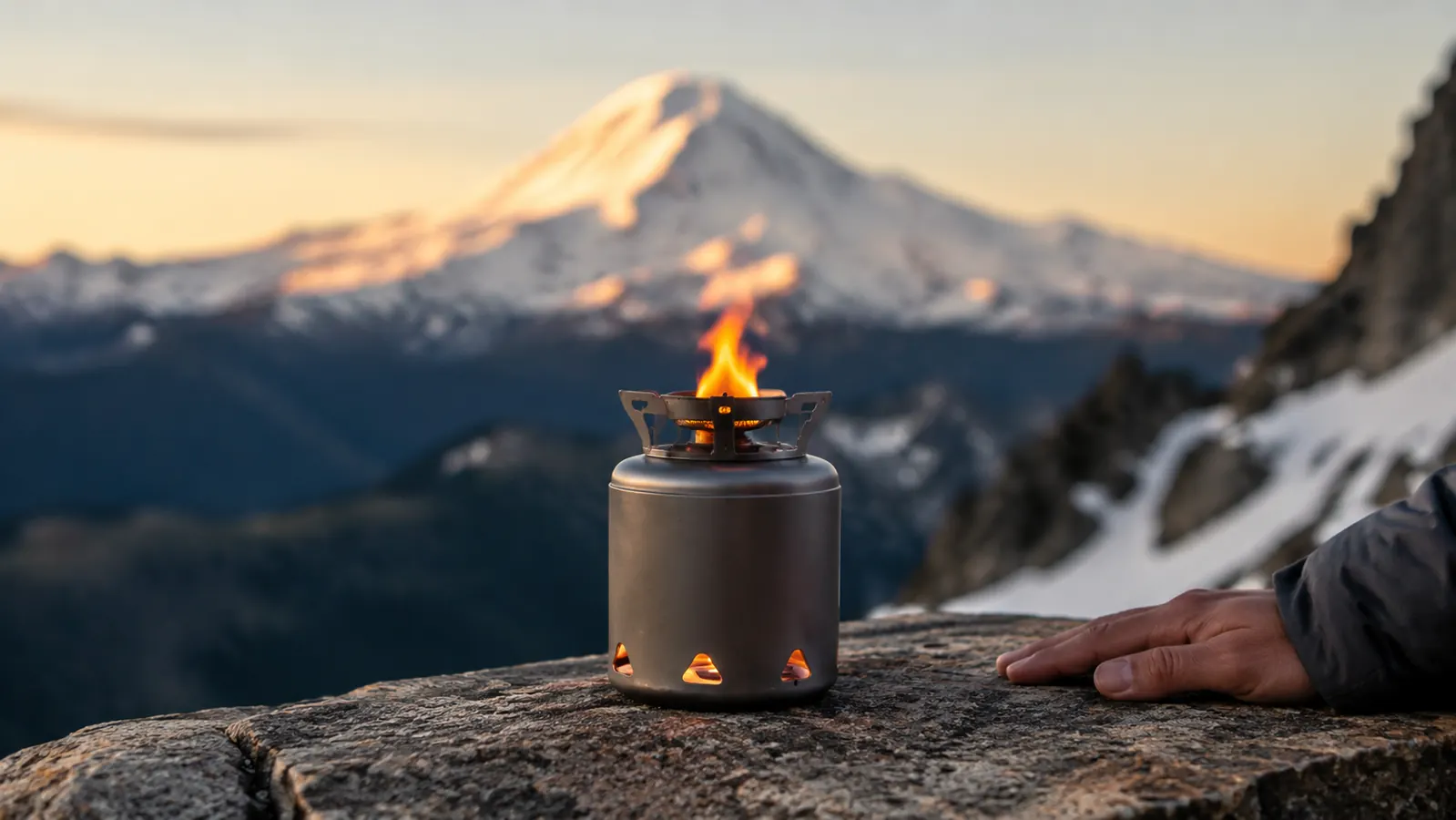
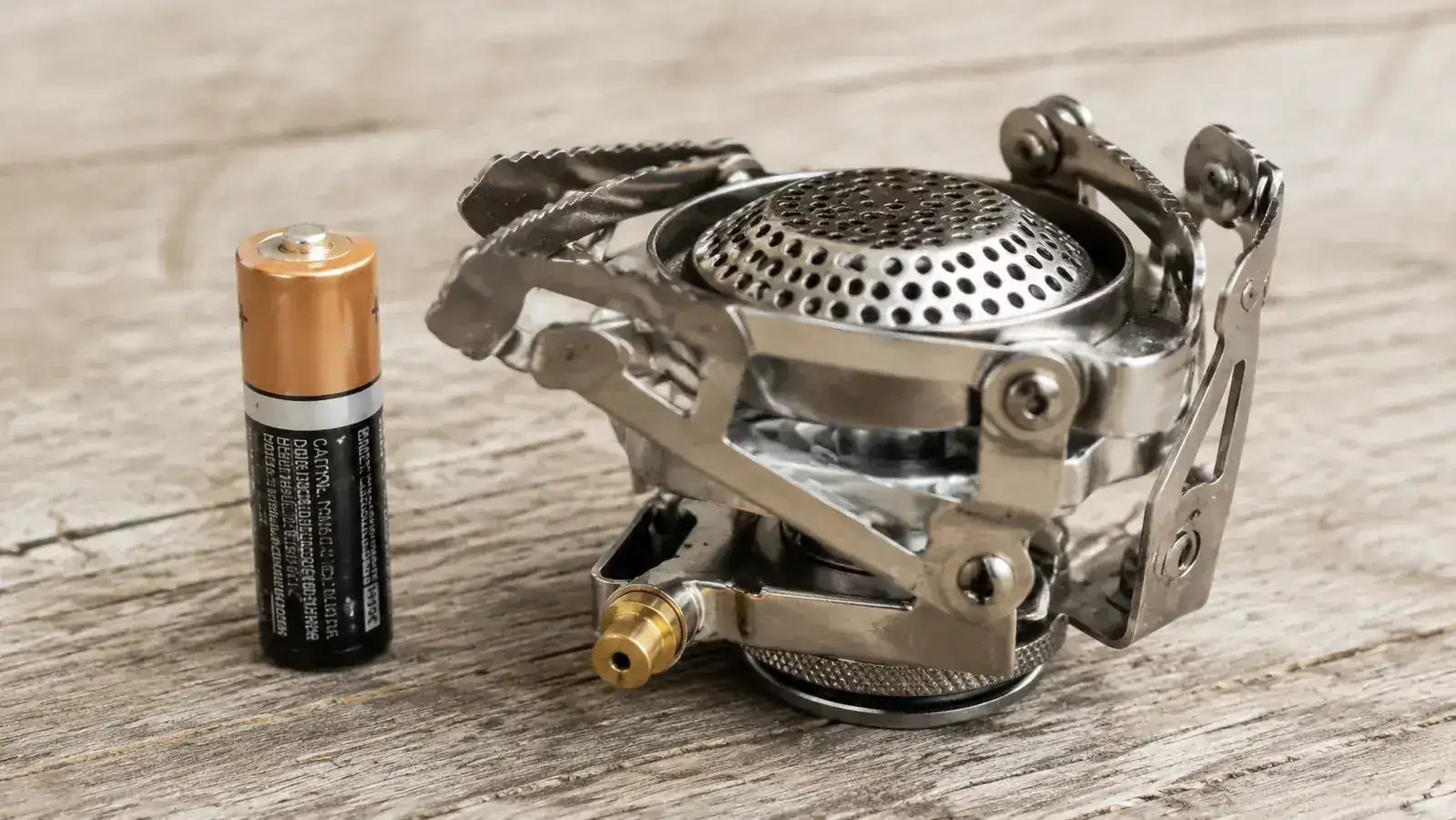
I carried a heavy brass canister stove for years. It worked fine. I told myself the extra weight didn't matter because my pack was already 38 lbs on a three-day trip and what's another eight ounces. Then I started stripping down for a solo loop through the Enchantments, weighed everything, and found my stove and windscreen alone were costing me over half a pound. That's when I swapped to the BRS-3000T titanium stove. It weighs 25 grams. For reference, a AA battery weighs 23 grams. What I didn't expect was how that single swap cascaded into changing decisions I make about everything else I carry.
I've now cooked on the BRS-3000T for two full seasons and over 40 nights in the field, mostly in the Cascades, with some shoulder-season trips into the Olympics where temperatures dropped into the low 20s. Here are the 10 ways going ultralight on my stove actually changed how I pack.
If you're still carrying a brass stove that weighs more than your rain jacket stuff sack, this is worth a look.
The BRS-3000T is a 25-gram titanium canister stove with over 3,800 reviews and a 4.6-star rating. It's the one I carry on every trip from day hikes to three-night loops.
Amazon Check Today's Price on Amazon →I Stopped Justifying Every Other Heavy Item
When my stove weighed eight ounces, I'd tell myself the total weight was already high so one more heavy item didn't matter. Cutting the stove to under one ounce snapped me out of that thinking. If my stove weighs 25 grams, why am I carrying a camp chair that weighs three pounds? The ultralight stove didn't just save weight by itself. It forced me to hold every other item to the same standard.
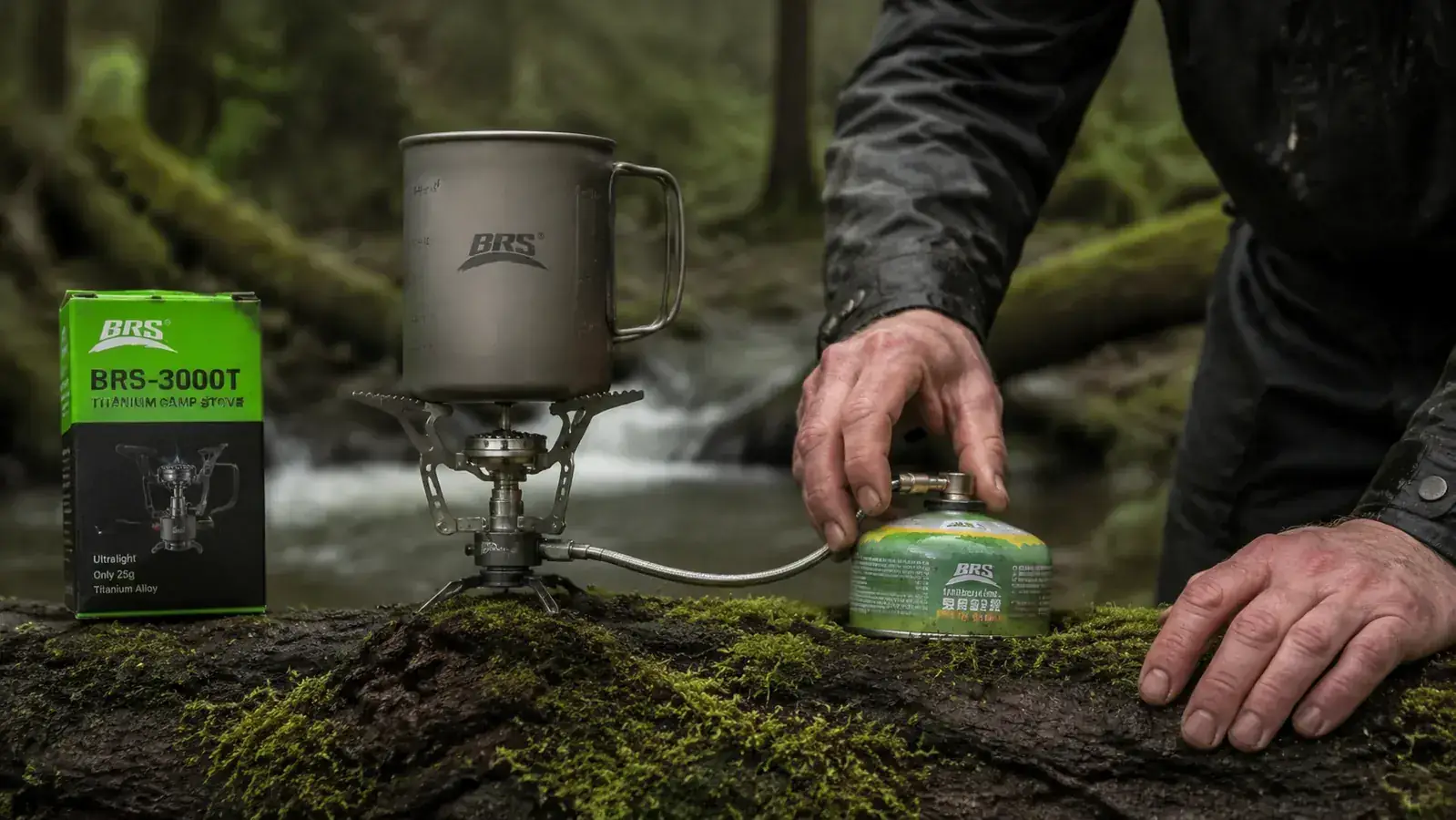
My Cook Kit Shrank to a Stuff Sack the Size of My Fist
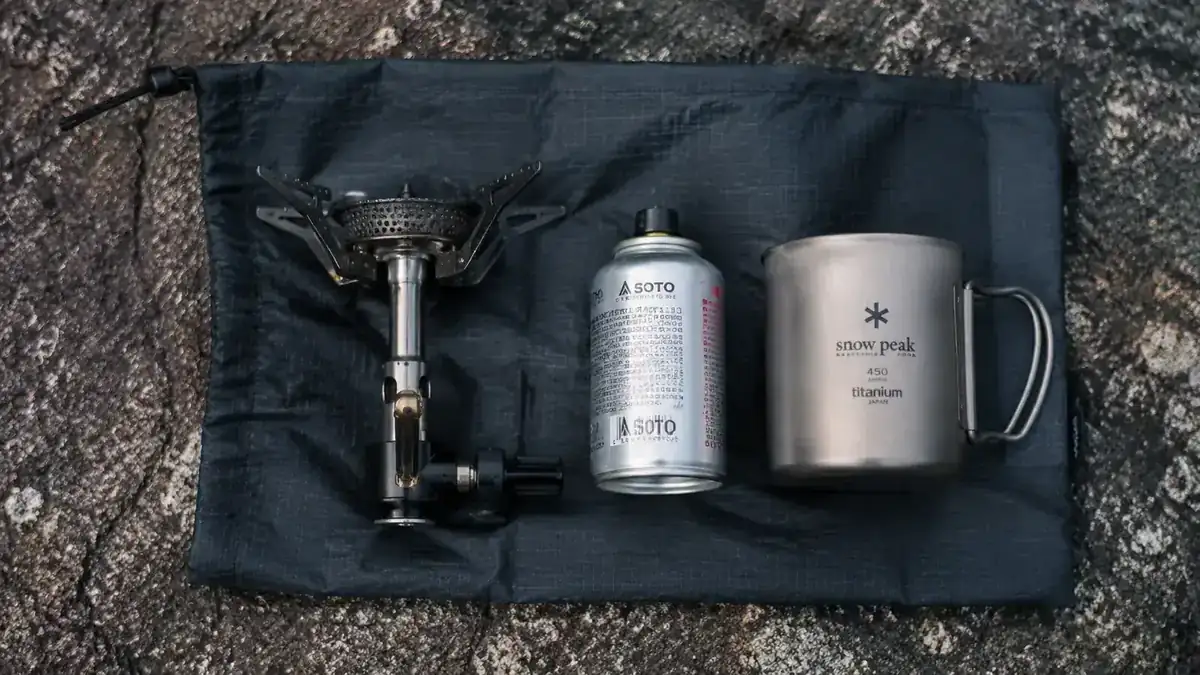
Before the swap, my cook kit was a dedicated dry bag: heavy stove, windscreen, a folding handle, lighter, extra matches, a spork, and a 1-liter pot that barely fit. After the swap, my whole cook setup is the BRS-3000T, a 100g isobutane canister for three days, a 450ml titanium mug, and a BIC lighter. Everything fits inside the mug. That stuff sack is now carrying a first aid kit instead.
I Started Taking Trips I Was Previously Talking Myself Out Of
There's a loop near Leavenworth I kept putting off because the trailhead is only accessible after a long approach with serious elevation gain, and I didn't want to haul a heavy pack through it. Shaving over a pound off my cook system was part of what finally made that trip feel doable. Lighter packs lower the mental barrier. You might call it laziness. I call it doing more trips per year.
I Started Actually Using the Stove on Day Hikes
I never brought my old stove on day hikes. Too heavy, too much setup, felt like overkill for a 10-mile loop. The BRS-3000T is so small and light that it started living in my day pack. Now I bring hot coffee and ramen on 8-mile hikes. In October in the Olympics, a hot lunch mid-hike isn't a luxury, it's a morale decision.
My Bug-Out Bag Finally Has a Real Cooking Option
I maintain a 72-hour bag for emergencies, and the cook setup was always a weak spot. A heavy stove felt like too much weight for a bag I might need to carry fast. The BRS-3000T weighs less than a deck of cards, so it fits into the bag without a second thought. A small 100g canister gives me about 45 minutes of burn time. That's enough to boil water for three days of meals if I'm disciplined.
Twenty-five grams. That's the stove. When your cooking system weighs less than a AA battery, you stop making excuses for every other heavy thing in your pack.
I Got Faster at Camp Setup
My old stove had a three-piece windscreen that folded out, a separate pot support, and a valve that needed half a turn of the key to open. The BRS-3000T unfolds in about four seconds, threads onto a canister in five more, and has a piezo igniter so I'm not fumbling with a lighter in the rain. From pack to boiling water in under three minutes. That matters when it's 35 degrees and raining sideways.
I Got More Serious About Fuel Efficiency
When your stove weighs 25 grams, you start looking at how much your fuel canister weighs. A full 100g canister is about 200g. A 230g canister is 370g. I started planning fuel loads more carefully, timing boil times, using a lid on my mug to hold heat, and pre-soaking dry meals so they needed less cooking time. The lightweight stove made me a more efficient camp cook. The fuel planning habit alone has saved me from carrying an extra canister I didn't need.
It Made My Partner Willing to Carry the Cooking Gear
My partner is a strong hiker but not a gear person. For years the cooking kit was my job because it was heavy and fiddly. After the swap, the entire cook setup is light enough that she carries it without complaint. That's a real load balance win on multi-day trips. It also means if something happens to me, she can boil water without having to decode a complicated stove system.
I Started Reconsidering My Food Strategy
A lighter stove made me rethink what food I was carrying. If the stove is this simple and fast, I can do more hot meals without adding weight. That shifted me away from heavy dehydrated meal pouches toward simpler things: instant oats, ramen, freeze-dried coffee, Mountain House bags. The stove isn't picky about what goes on top of it. Having a reliable ultralight heat source means food planning becomes about calories and taste, not about whether the stove can handle it.
It Proved That Cheap and Reliable Can Coexist
I'm not going to pretend the BRS-3000T is as sturdy as a Jetboil or as wind-resistant as an MSR Pocket Rocket 2. The legs are thin, and you won't want to cook on it in sustained 30 mph gusts without a windscreen. But after two seasons and dozens of meals, mine is still running clean and the igniter still sparks. At its current price point, a dedicated titanium stove that works reliably in three seasons of PNW conditions is a hard thing to argue with. If you want the full breakdown, I wrote up a long-term review of the BRS-3000T and a side-by-side comparison against the Pocket Rocket 2 if you want to weigh the tradeoffs before you buy.
What I'd Skip
If you do a lot of cooking in exposed, windy terrain above tree line, or if you're doing winter camping in sub-freezing temps where canister performance drops off, the BRS-3000T alone won't cut it without a windscreen and careful fuel planning. At 20F, isobutane blends struggle regardless of the stove. For that kind of use I'd look at a stove with a remote canister that can be inverted for liquid feed. The BRS-3000T is a three-season tool, not a four-season one. Know the difference before you stake your trip on it.
For everything else, three seasons of PNW camping, bug-out bag duty, day hikes, shoulder-season loops, and solo trips where every gram matters, it's the stove I reach for every time. I've been happy I had it and never once wished I'd brought the heavy brass one instead.
Still carrying a stove that weighs more than your titanium cup? This is the upgrade I'd make first.
The BRS-3000T has over 3,800 reviews on Amazon and a 4.6-star rating. For anyone who camps, hikes, or keeps a bug-out bag, it's genuinely hard to beat at this price. Check the current price before you decide, because it moves around.
Amazon Check Today's Price on Amazon →