
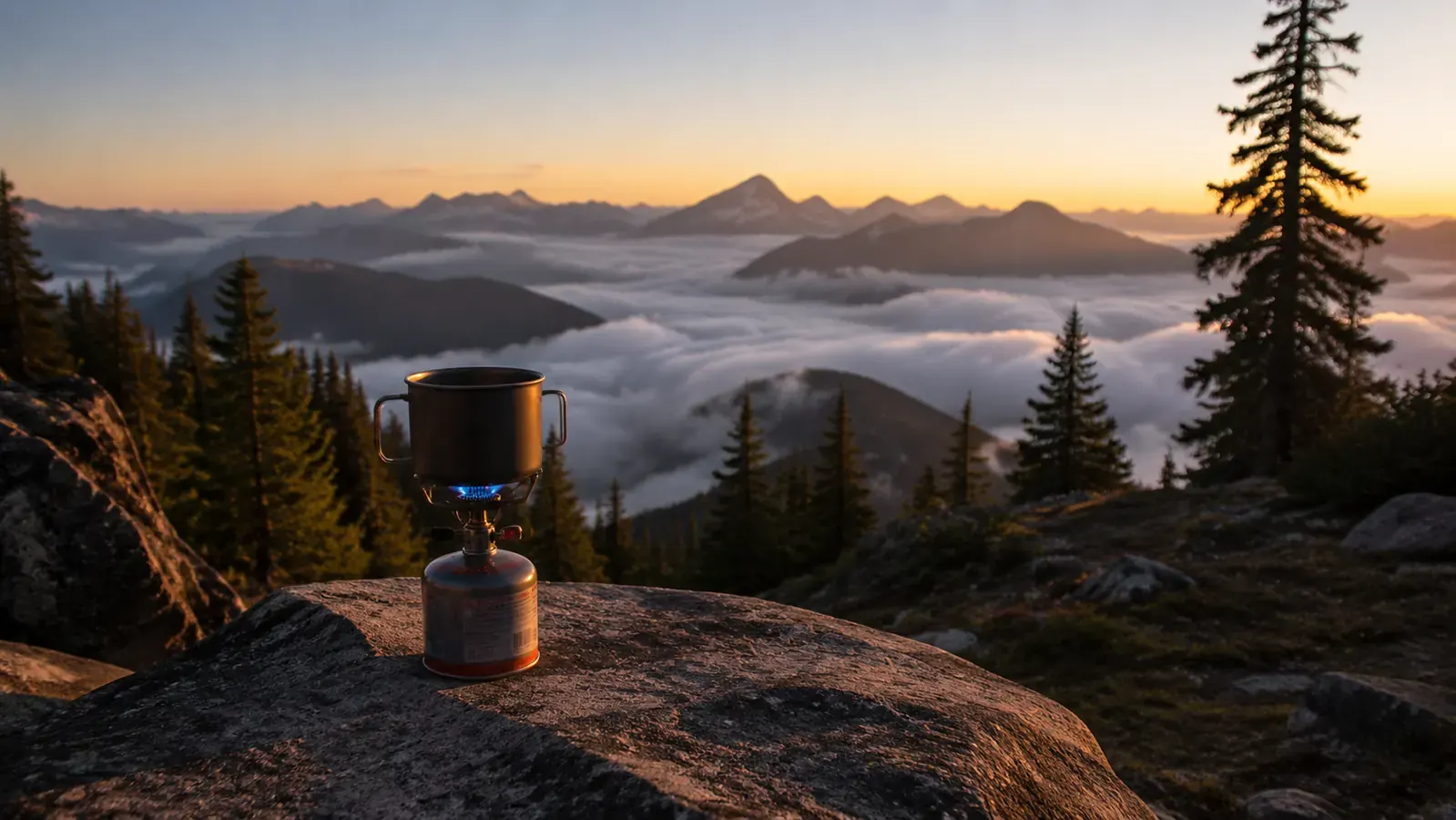
The alarm on my watch went off at 5:47 a.m. I was at roughly 5,100 feet on a ridge above the Naches River drainage, east of Rainier, in my sleeping bag, not wanting to move. It was 29 degrees outside my tent. I know because I had a little thermometer clipped to my pack shoulder strap, and I checked it before I unzipped anything. Twenty-nine degrees.
But here's the thing about a cold morning at altitude: the right stove changes the whole math. If getting hot water takes fifteen minutes of fussing, you stay in the sleeping bag longer, pack up slow, and end up hiking the exposed section in full midday sun. If it takes three minutes, you make the decision easy. You get up. You drink your coffee while the light turns gold on the ridge. That's the version of the trip worth telling.
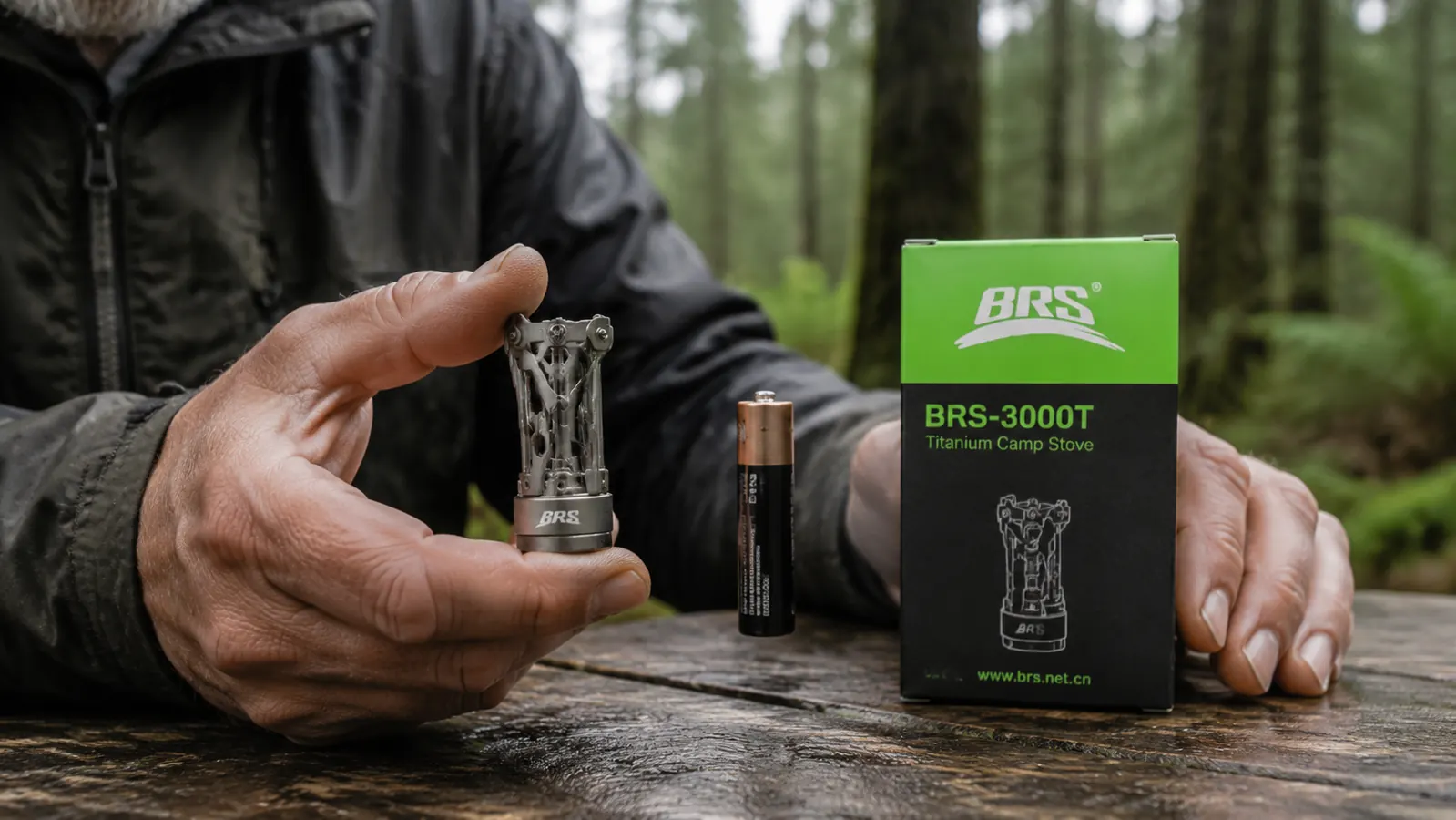
I had the BRS-3000T with me. It weighs 25 grams. For context, a AA battery weighs about 23 grams. This stove, folded down, fits in the palm of your hand with room to spare. I'd been skeptical about it for about two years before I finally bought one, mostly because seventeen dollars felt like a price point that shouldn't exist for a titanium stove. I'd paid forty dollars for a stove that weighed three times as much. That felt like the right way to do it. I was wrong.
Seventeen dollars felt like a price point that shouldn't exist for a titanium stove. Then I used it.
That morning on the Naches ridge, I made a small mistake. I forgot to check the fuel canister before I left the car, and I was two days in with one canister I'd already used on a previous trip. I had no idea how much gas was left. Rookie error. I shook it, heard liquid sloshing, figured there was enough. But it added a knot to the morning. I lit the stove, set my 750ml titanium pot on the burner arms, and watched the blue flame hold steady. A liter of water boiled in right around four minutes. The canister had plenty left.
I made two cups of drip coffee using one of those small pour-over cones, then cooked a pack of instant oatmeal with the leftover water. The whole process, from lighting to clean pot back in the bag, was under ten minutes. I was watching the first light hit the ridge by 6:15.
If cold mornings are slowing you down, the problem isn't the cold.
The BRS-3000T weighs less than a AA battery, costs less than a tank of gas, and boils water in under four minutes. It has over 3,800 reviews on Amazon with a 4.6-star rating. This is the stove I carry on every trip in the Cascades now.
Amazon Check Today's Price on Amazon →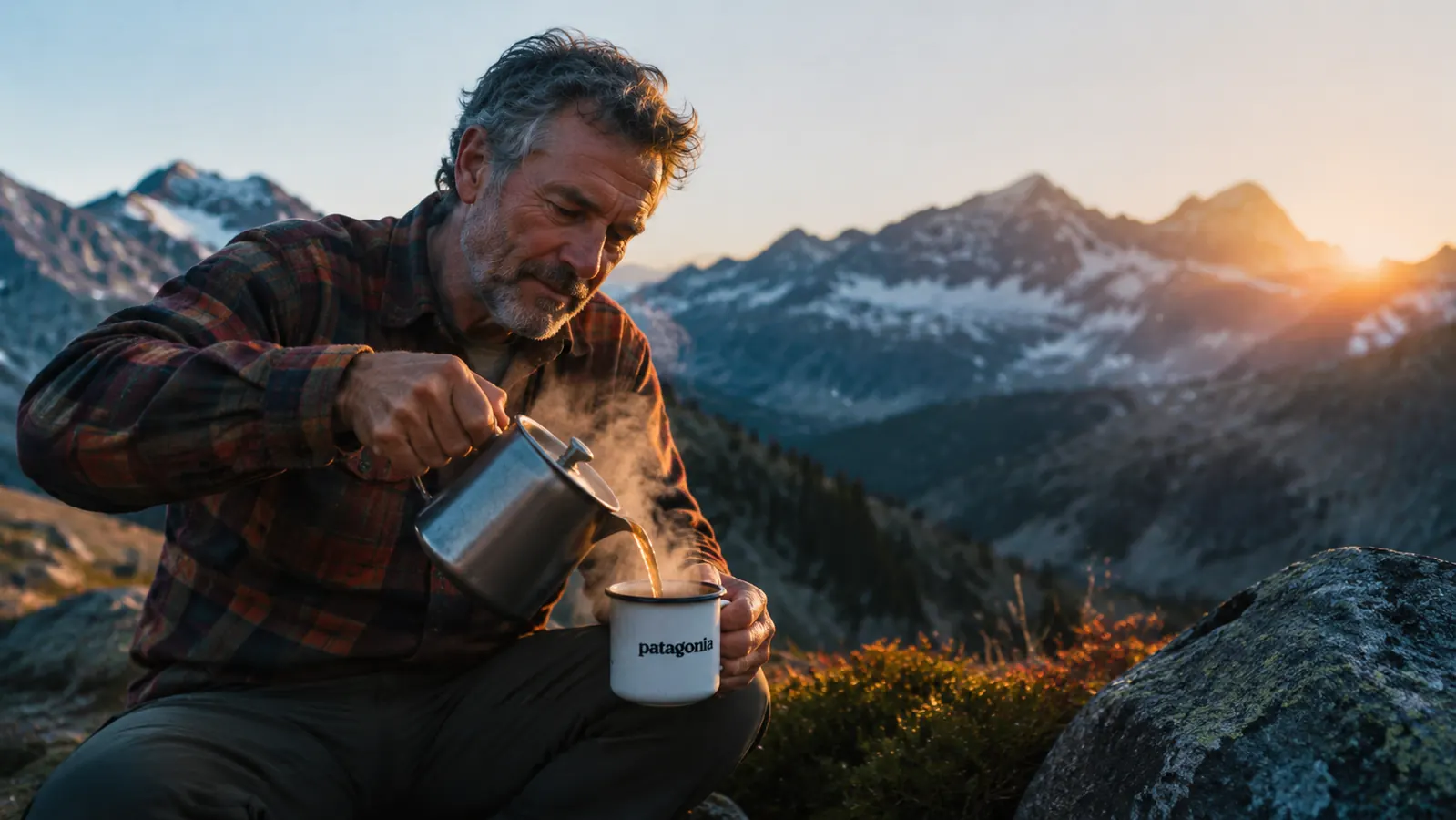
Now I want to be straight with you about what this stove is and isn't. The BRS-3000T is not the right tool for cooking a real meal for a group. It has a small burner diameter, which means heat distribution is concentrated in the center of the pot. Oatmeal and boiling water are fine. If you're trying to simmer a sauce or cook something that needs even heat across the pan, you'll get hot spots in the middle and cold edges. For a solo backpacker making one-pot meals or rehydrating freeze-dried food, this is a non-issue. For anything more ambitious, look at a wider burner.
Wind is also worth knowing about. The burner arms are small and sit close together, which means a wind screen is your friend in open conditions. I've used this stove in light breeze without trouble, but I once ran out of patience trying to boil water on an exposed saddle with a sustained 20 mph crosswind. I ended up ducking into the tree line, which solved it. The fix is simple: a small aluminum wind shield weighs almost nothing and costs under five dollars. I carry one now.
Those two things aside, the stove has never failed me. I've used it in temperatures from about 28 degrees up to 75. I've used it at sea level in the Olympics and at just over 6,000 feet in the North Cascades. The ignition is manual, meaning you need a lighter or matches, which I prefer anyway because piezo ignitors fail and lighters don't. The threaded canister fitting is standard Lindal valve, which fits every common isobutane canister you'll find at REI or any outdoor shop.
What I'd Tell You If We Were Sitting at My Kitchen Table
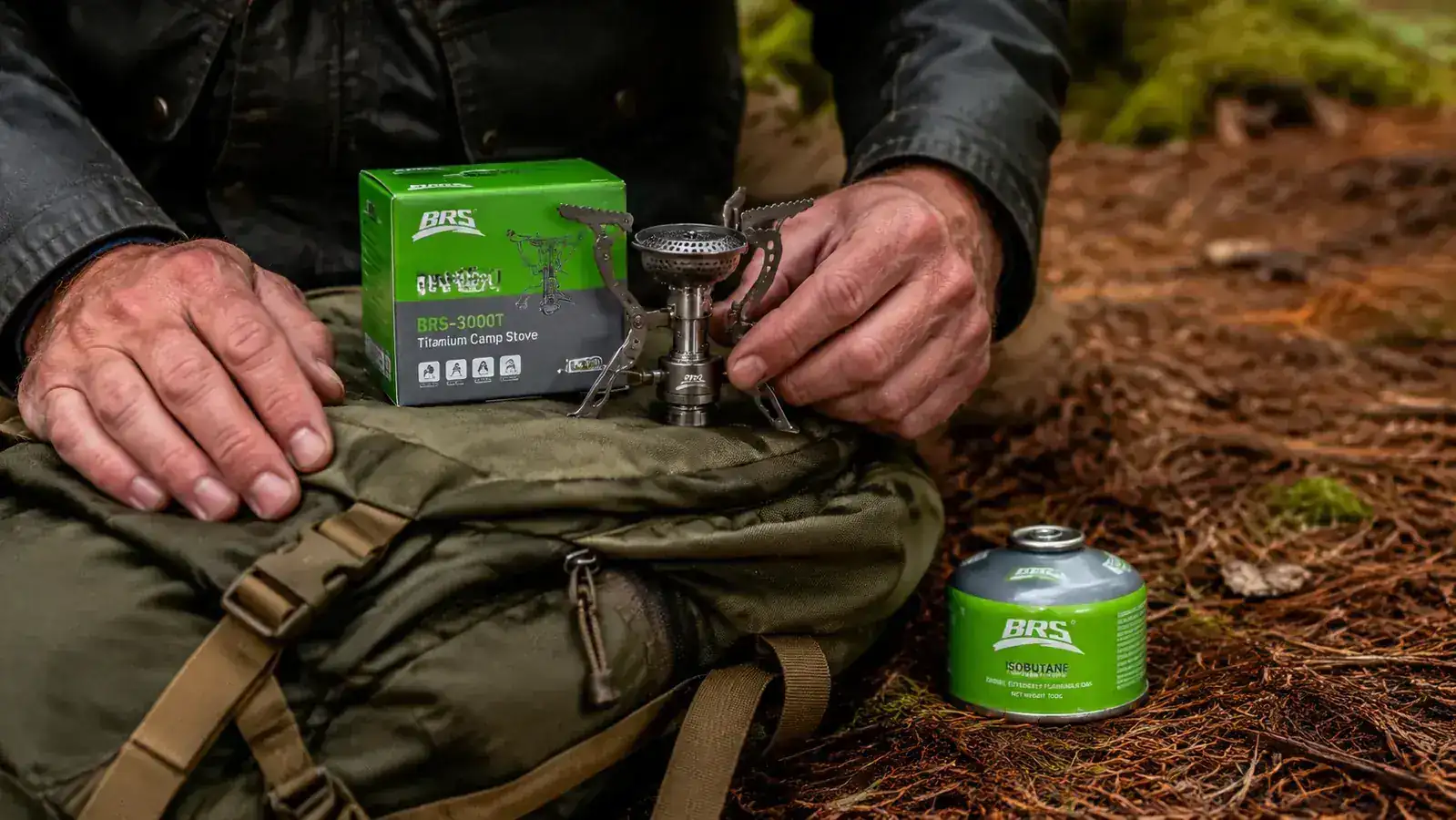
If you came over and asked me whether to spend seventeen dollars on this stove or ninety-something on a name-brand alternative, I'd ask you one question: are you solo, or are you cooking for a group? If you're solo and your camp cooking is mostly boiling water for coffee, oatmeal, or freeze-dried meals, the BRS-3000T is the honest answer. The name brands have wider burners, better wind resistance, and more robust build quality. They're not four times better. Not for solo use.
If you're a prepper building out a bug-out bag, this is also worth thinking about. It packs small enough that it fits in the side pocket of any pack. Pair it with two or three 100g isobutane canisters and you have a week of hot meals in about half a pound of gear. That's hard to argue with.
The morning I'm talking about, the coffee was good because everything worked. The stove lit on the first try. The water came up fast. The ridge was quiet, and the light was doing that thing it does in the Cascades in late September when it comes in low and copper-colored and makes every tree look like a photograph. I sat on my sleeping pad outside the tent with both hands around a hot mug, and I was not thinking about gear. That's what good gear lets you do. It disappears.
Check the full long-term breakdown in the BRS-3000T stove review if you want the detailed numbers on boil times, fuel efficiency, and durability over two years. And if you're considering going lighter across your whole kit, the ultralight stove listicle covers the ten ways that one gear decision changed how I think about weight.
Cold mornings are better with something hot in your hands.
The BRS-3000T is the stove I recommend to every solo backpacker and prepper who asks me what I carry. It weighs nothing, costs almost nothing, and has never let me down in three seasons across the Cascades.
Amazon Check Today's Price on Amazon →