
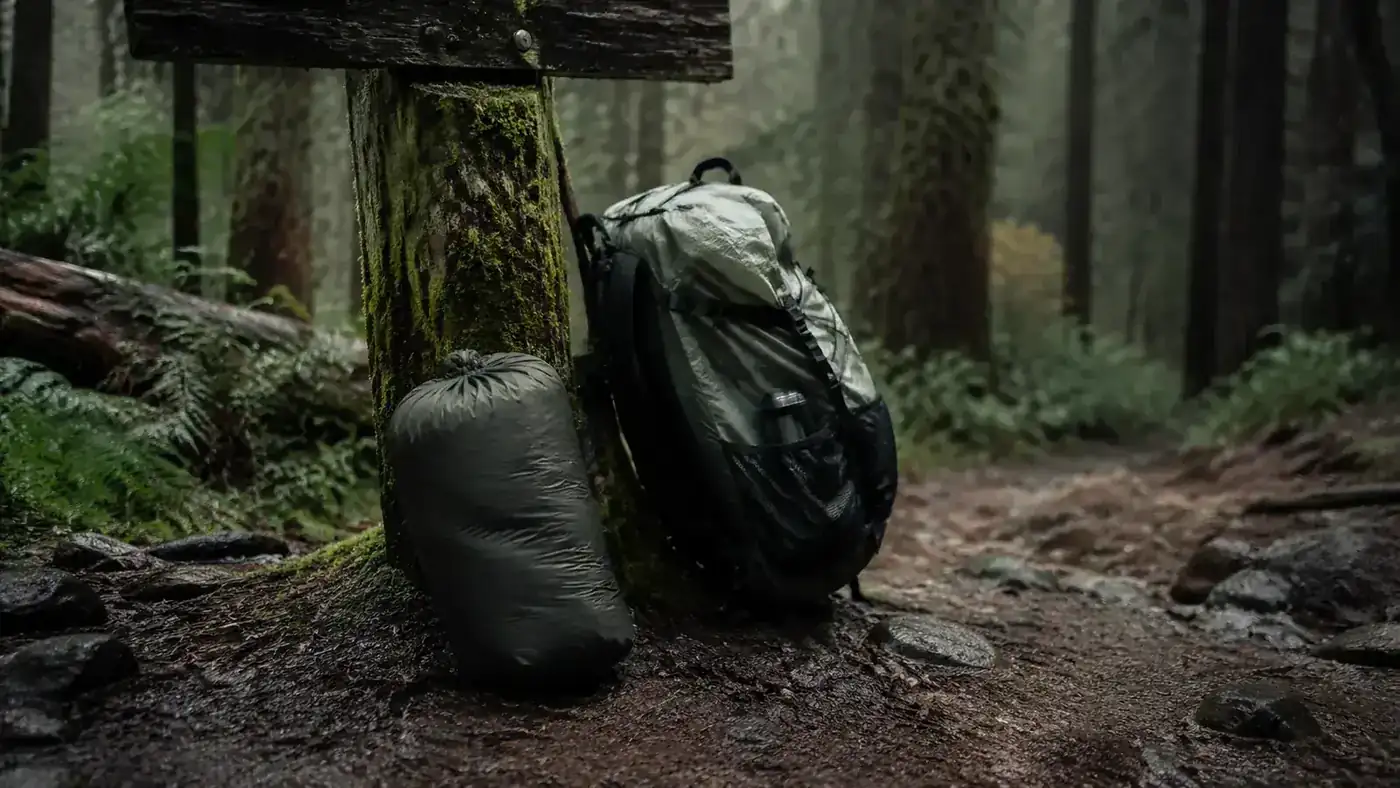
My buddy Marcus ordered the TETON Sports Tracker +5F last fall based on the Amazon listing and a handful of glowing five-star reviews. He called me from a campsite near Leavenworth on a Saturday night, voice tight, saying he was cold and it was only 28 degrees. He's a big guy, 6-foot-2, 230 lbs, and he'd bought the regular size. The bag fit like a compression sock from the hips down. He'd read 'ultralight mummy bag' in the title and thought he was getting something close to a modern backpacking bag. He was not. He made it through the night, but he wasn't happy, and by Sunday morning he had questions I was going to have to answer.
I've been sleeping in the TETON Sports Tracker myself for two seasons, so I could answer most of his questions honestly. The bag isn't bad. It's actually decent for what it is. But what it is doesn't match what the listing implies in a few important ways, and I think buyers deserve to know that before they pay and wait for shipping. This review covers the parts of the Tracker experience that get glossed over or buried.
The Quick Verdict
A warm, durable car-camping bag sold with misleading 'ultralight' framing. Heavy, bulky when packed, and sized for average builds. If you know what it actually is, it's a solid value. If you buy based on the marketing language, you may be disappointed.
Amazon Check Today's Price →Want to check the current size options and see if the long or wide versions are in stock? The regular size runs narrow.
TETON makes this bag in regular and large. If you're above 6 feet or carry more than 200 lbs, the large is worth checking before you commit.
Amazon Check Today's Price on Amazon →The 'Ultralight' Label Is the First Problem
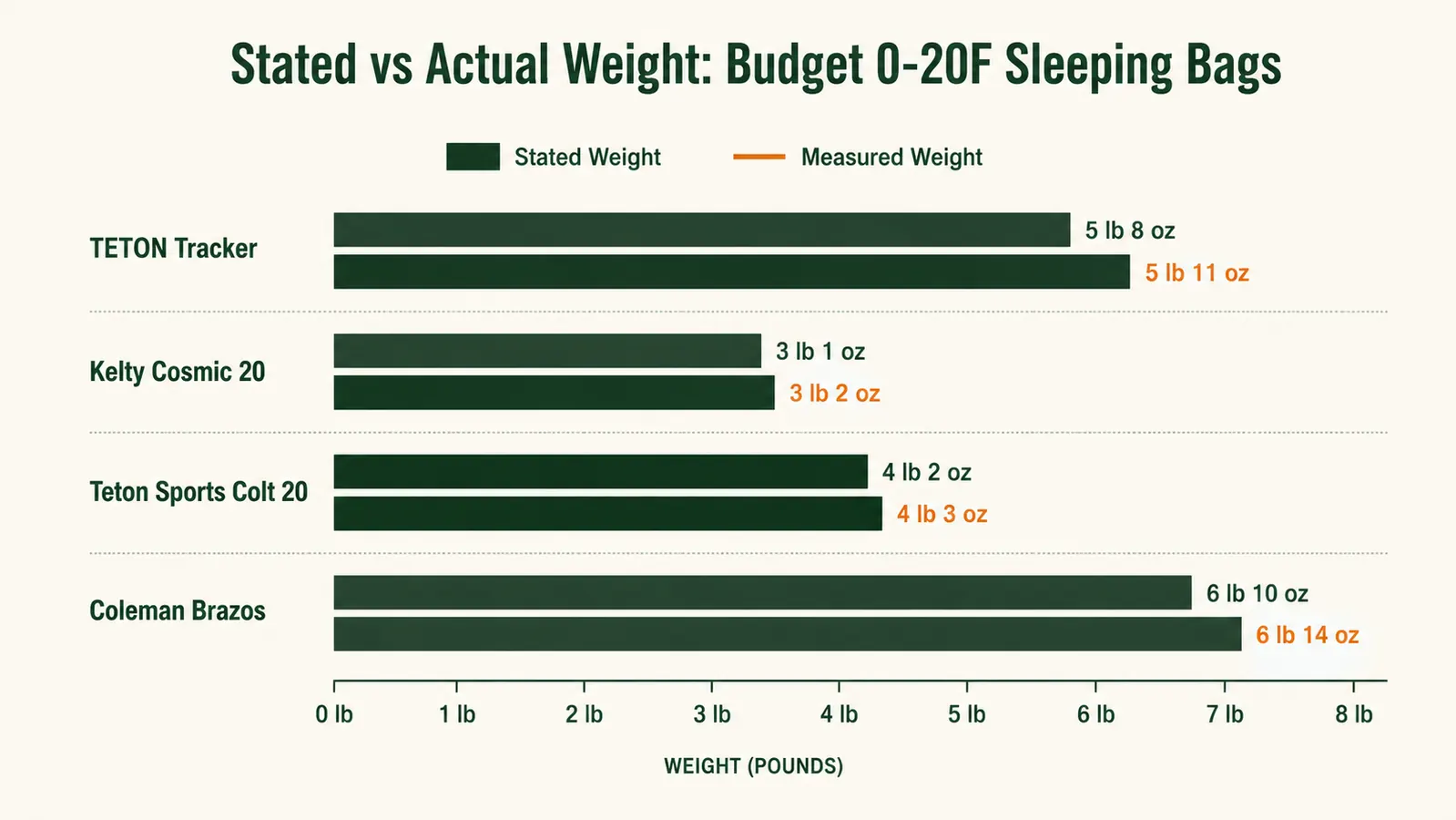
The Amazon listing title includes the word 'Ultralight.' That word has a specific meaning in the backpacking world. Ultralight means sub-2-pound for a sleeping bag at this temperature range. The TETON Sports Tracker weighs 5 pounds 11 ounces. I put mine on my kitchen scale three times to be sure, because the listed weight in the specs tab says 5 lbs 8 oz. The discrepancy is small but it represents a pattern: the marketing language was written for people searching keywords, not for people trying to plan a realistic pack weight.
For context, a comparable-temperature synthetic bag built for actual backpacking, something like the Kelty Cosmic 20 or the REI Magma series at 20F, comes in at 2.5 to 3.5 lbs. At the ultralight end, down bags rated to 15-20F can weigh under 2 lbs. The TETON Tracker isn't in either of those categories. It's a car-camping bag priced like a car-camping bag, just marketed with a word that suggests otherwise. If you're building a bug-out bag or a get-home pack where weight compounds over miles, that distinction matters.
None of that means the bag is bad. It means you need to read past the title. The Tracker earns its ratings because it's genuinely warm, it's durable, it holds up to repeated use, and it costs a fraction of what a real ultralight synthetic bag costs. Those are honest virtues. They just aren't what the title implies.
What the +5F Rating Actually Means in the Field
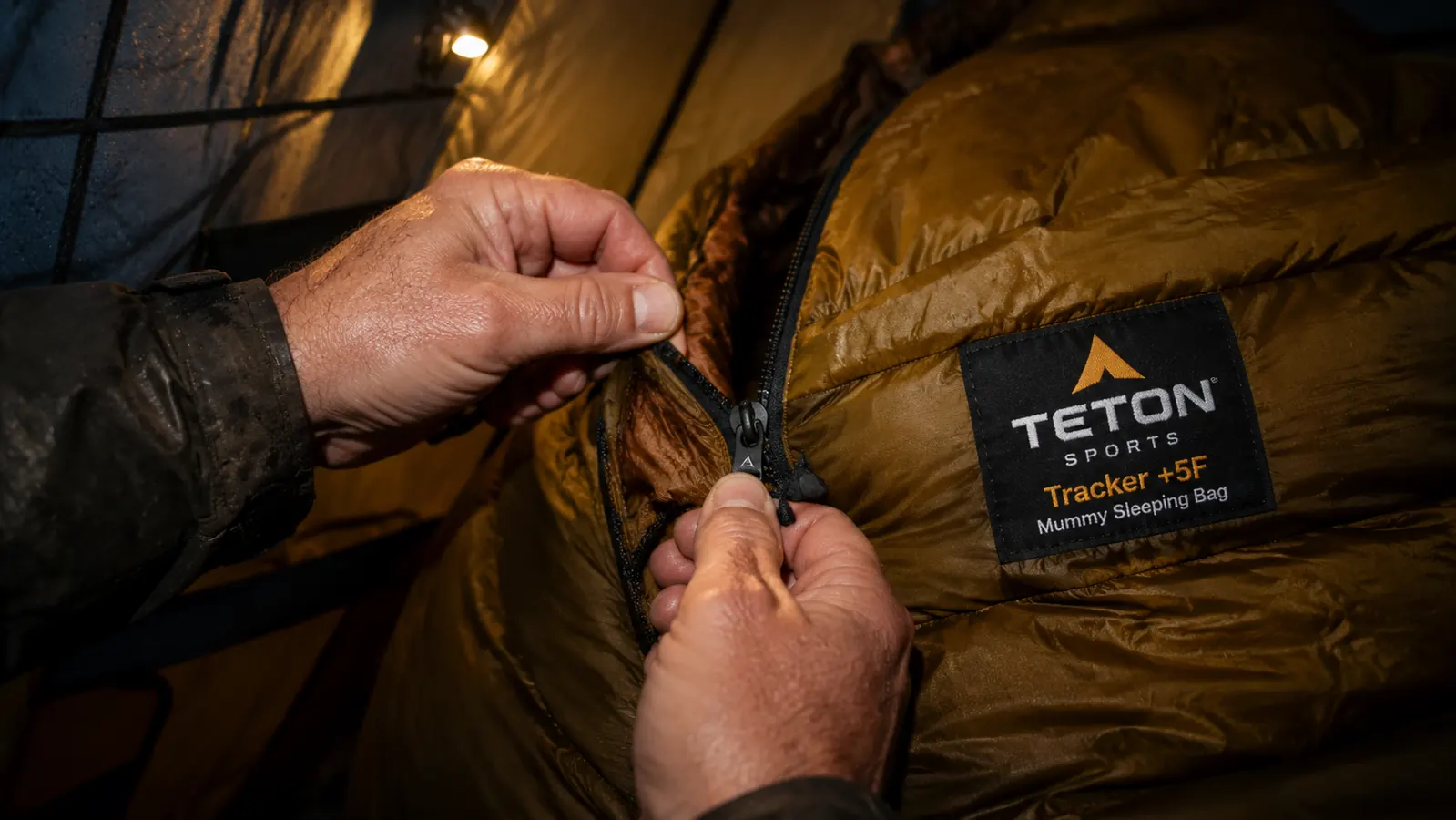
This is the part Marcus needed explained. The +5F on the TETON Tracker is not an EN/ISO tested rating. The European Norm standard for sleeping bags separates warmth into two independently tested numbers: a Comfort rating for light sleepers in a relaxed position, and a Lower Limit rating for the survival position (curled, no food, trying hard). TETON does not publish EN-tested values for the Tracker. The +5F number is their own internal rating, and based on two seasons of field use I'd describe it as a Lower Limit estimate for an average to warm sleeper in a dry environment.
For a practical read: I'm 6 feet, 185 lbs, and I run cold. In base layers and wool socks with no liner, I was genuinely comfortable down to about 22 degrees. Between 15 and 22 degrees I was sleeping but not comfortably warm. Below 15 degrees I was waking up to add a layer. That pattern suggests a real-world comfort threshold closer to 20 to 25 degrees Fahrenheit for an average cold sleeper, not 5 degrees. The +5F number is survivable in that bag under ideal conditions, meaning no wind, no moisture, dry fill, and someone who sleeps warm.
That gap between rated and realistic is not unique to TETON. It's a widespread problem in the budget bag market. But it matters more when buyers are making safety decisions about backcountry overnights or emergency preparedness kits. If your scenario calls for surviving a night at 10 degrees, plan on supplementing this bag with a liner or additional insulation. If your typical outing is October shoulder season in the Cascades where nights hit 28 to 35 degrees, the Tracker handles that comfortably without any extras.
The +5F number is survivable. But 'comfortable at +5F' is a different standard, and for most cold sleepers the real comfort floor of this bag is closer to 20 to 22 degrees Fahrenheit.
The Zipper: Real-World Behavior They Leave Out of the Description
Every piece of outdoor gear has a weak link, and on the TETON Tracker it's the zipper. Specifically, the interaction between the zipper slider and the internal draft tube. The draft tube is the fabric baffle that runs inside the bag behind the zipper to block cold drafts from coming in through the teeth. On this bag, that tube has a tendency to fold inward and catch the slider if you're zipping in a hurry, if you're zipping with numb fingers, or if the tube isn't perfectly flat when you close up for the night.
I've had the zipper snag and lock up on three occasions across two seasons. Two of those were minor and I freed it in under a minute. One happened at 1:30 in the morning in October near Index, about 24 degrees, and I spent close to eight minutes working the zipper loose before I could close the bag properly. That's a long time with half your upper body exposed in near-freezing air. It is fixable, and I've developed a routine of laying the draft tube flat and running the zipper smoothly before I commit to closing up for the night. But that's a workaround for a design flaw, not a feature.
The fix: before every trip, run a beeswax block along the zipper teeth, both sides. This reduces friction enough that the slider moves more cleanly and is less likely to catch the draft tube. A piece of Gear Aid Zipper Lubricant works too. It adds maybe 90 seconds to your pre-trip prep and meaningfully reduces the snagging problem. But again, that's solving a problem you shouldn't have to solve on a sleeping bag at any price point.
Packed Size: What You're Actually Working With
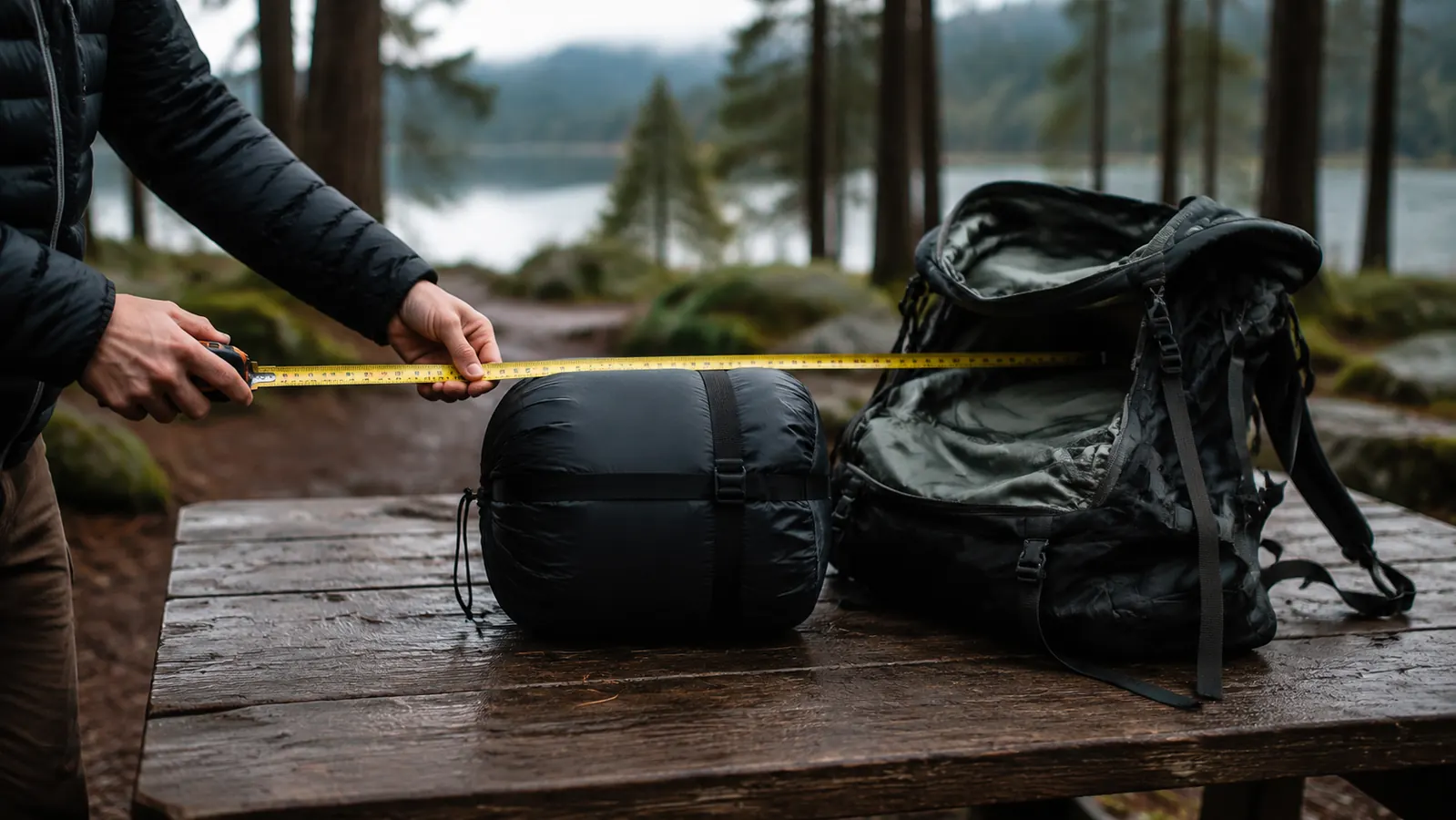
The stuff sack that ships with the bag is nylon with a drawstring. Crammed tight, the bag compresses to roughly the size of a volleyball, maybe slightly larger. That's a manageable size for a storage bin or a vehicle emergency kit. For a backpack, it's a different story. The compressed bag takes up most of the bottom third of a standard 60-liter pack, which means you're building everything else around it.
Compare that to the Kelty Cosmic 20, which compresses to about the size of a two-liter bottle, or a premium down bag at the same rating that rolls to something closer to a large Nalgene. The TETON Tracker cannot compete with either of those on pack volume. If the bag is going in the back of a truck or in a gear bin in your garage until you need it, packed size is irrelevant and this isn't a concern. If the bag is going inside a pack for a three-day trip with everything else you need to live comfortably, the size will force real tradeoffs on what else you can bring.
This is the second reason the 'ultralight' marketing language does buyers a disservice. Ultralight gear is defined partly by how little space it takes up, not just weight. The Tracker fails both tests. I'm not saying that disqualifies it from being a useful bag. I'm saying the category it belongs in is 'value car-camping mummy bag,' and in that category it performs well. Buyers who want a backpacking bag need to look elsewhere. I did a full side-by-side comparison in my piece on TETON Tracker versus the Kelty Cosmic 20 if you want the detailed numbers.
Fit and Sizing: Who the Regular Size Actually Fits
This is the thing that got Marcus. The TETON Tracker regular size is listed for users up to 6 feet tall. That height limit is real and worth taking seriously, but the issue isn't just length. The mummy taper on this bag cuts down sharply from chest to toe, and the shoulder width is cut for an average build, not a broad one. At 6 feet even I have about 2 inches of headroom at the feet and reasonable shoulder room. Marcus, at 6-foot-2 and 230 lbs, was squeezed from knee to ankle and couldn't roll to his side without fighting the bag.
The large version of the Tracker is listed for users up to 6-foot-6, but equally importantly it's cut wider through the body. If you're above average build in the shoulders or hips, even if you're under 6 feet tall, the large is worth considering. The mummy shape works thermally because it minimizes dead air space, which is also why it feels restrictive if you're sized outside the design envelope.
The mummy hood itself is one of the better-designed elements on this bag. Two separate drawcords let you cinch the face opening independently from the neck baffle, and both work smoothly. For smaller-framed sleepers, the hood seals well around the face without needing to fight with a single cord that never quite cinches right. That's a genuine design win that most competing bags in this price range don't match. But if your head and face run large, the hood will feel snug in a way that some people find uncomfortable over a full night.
What Actually Works Well: Honest Credit Where It's Due
I've spent most of this review on the drawbacks because those are what the Amazon listing doesn't tell you. But this bag does earn its 4.5 stars from buyers who go in with the right expectations. The synthetic fill holds its loft consistently. I've compressed and expanded this bag over 20 times across two seasons and it still lofts to what looks like new. Synthetic polyester fill degrades slower from repeated compression than down, which is a real-world benefit for a bag that might get stuffed and unstuffed a dozen times a year.
The insulation-when-wet performance is also legitimately good. In Pacific Northwest conditions you'll face tent condensation on nearly every outing October through March. I've had nights where the lower quarter of my tent wall was visibly damp from condensation and touching the foot of my bag. The Tracker still slept warm under those conditions. A wet down bag in the same situation loses 20 to 50 percent of its insulation value depending on how wet it gets. Synthetic fill doesn't have that failure mode. For anyone camping regularly in Washington or Oregon shoulder season, that property matters more than pack weight for most outings.
The shell fabric, while not premium, has held up without any tears or delamination after two years of regular use. The zipper aside, the hardware is solid. The footbox is well-sewn without any cold spots I've noticed. And at the price TETON sells this bag for, you're getting genuine cold-weather performance for less than the cost of a comparable name-brand bag at a sporting goods store.
What I Liked
- Synthetic fill holds loft consistently through repeated compressions, unlike untreated down
- Insulates when damp, a practical advantage for wet PNW camping conditions
- Mummy hood two-drawcord system works well and seals reliably for average-framed sleepers
- Durable shell fabric, no tears or delamination after two full seasons of regular use
- Genuine warmth performance for car camping from October through March in the Cascades
Where It Falls Short
- 'Ultralight' in the title is misleading: 5 lbs 11 oz on a kitchen scale, not a backpacking bag weight
- Packed size is volleyball-large, takes up most of the bottom of a 60-liter pack
- +5F rating is an internal estimate, not EN/ISO tested; real comfort floor is closer to 20-22F for cold sleepers
- Zipper snags on the draft tube in cold, dark conditions unless you pre-lubricate and lay the tube flat
- Regular size runs narrow for broad-shouldered or large-framed buyers, the large is worth checking
Who This Bag Is Actually For
The TETON Tracker makes the most sense for car campers, truck campers, and base-camp-style groups who want a durable cold-weather bag without paying premium brand prices. It's also a reasonable choice for a vehicle emergency kit, a gear locker backup bag, or a guest bag for friends and family who join you on fall and winter outings. If your trips regularly involve driving to a campsite, throwing gear in a bin, and sleeping somewhere that hits 25 to 35 degrees at night, this bag is a comfortable and economical choice. The weight and packed size are non-issues when your pack is your truck bed.
Who Should Look Elsewhere
If you're a backpacker who carries your gear for more than a day, this bag's weight and packed size will frustrate you on mile three. Look at the Kelty Cosmic 20, the REI Joule 21, or save up for a quality down bag with a water-resistant treatment. If you're a large-framed buyer over 200 lbs or broader than average in the chest, order the large size or consider a bag with a roomier cut. And if you're purchasing for genuine cold-weather emergency use and expecting the bag to keep you safe at 5 degrees Fahrenheit without supplemental insulation, build in a liner or an additional midlayer to give yourself a real safety margin. The +5F number on the label is not a comfort guarantee. For a deeper look at how this bag compares head-to-head against the Kelty, see my full long-term TETON Tracker review where I have 23 nights of temperature data logged.
If you've decided the TETON Sports Tracker fits your use case, check current pricing and confirm the large is in stock if you need it.
Size and zip-orientation availability can change. Worth a quick check before your next trip window closes.
Amazon Check Today's Price on Amazon →