
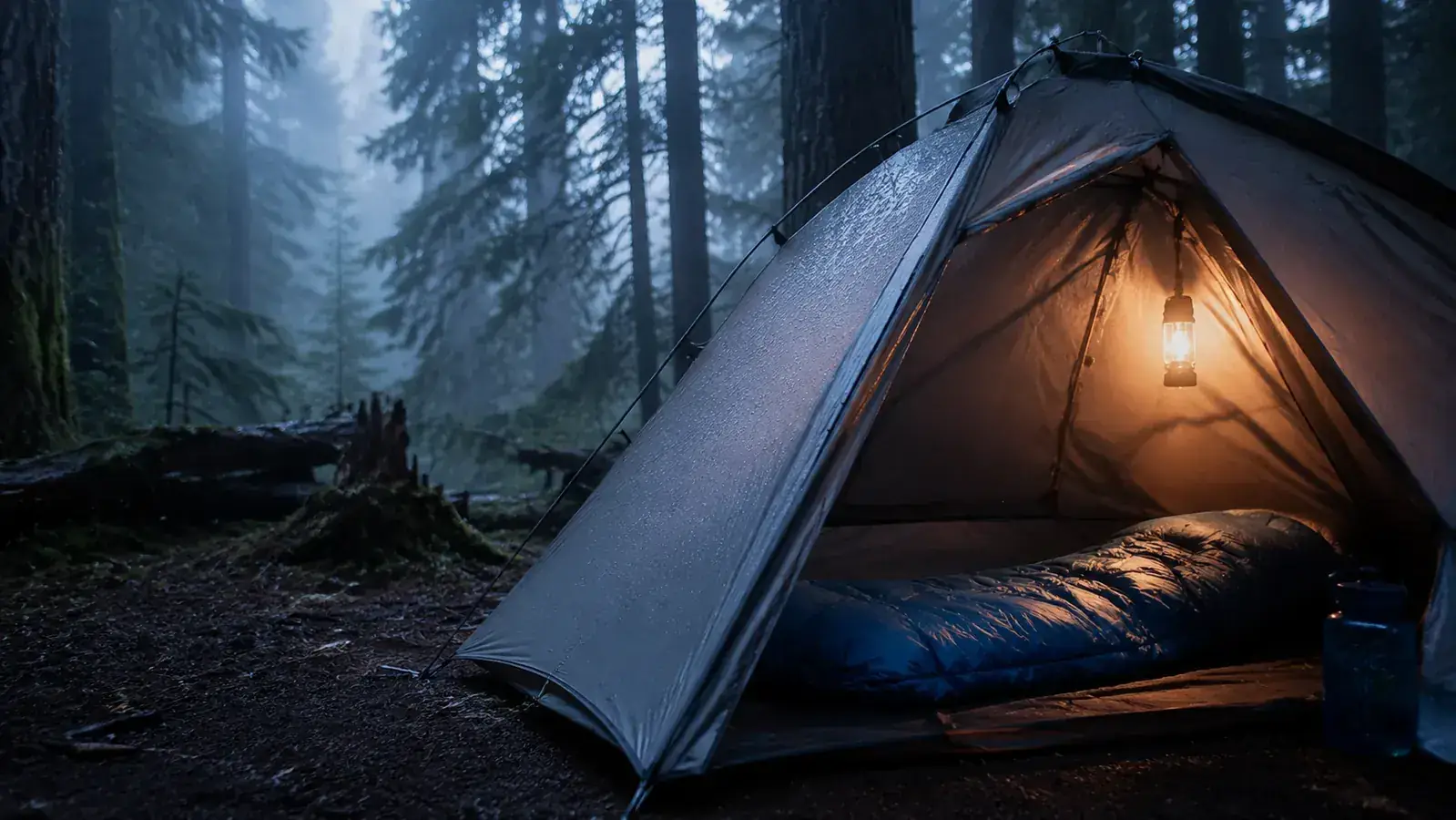
For my first eight years of camping in Washington state, I used the same big green rectangular bag my dad handed down to me. Plenty of room to stretch out, I told myself. Comfortable. Familiar. Then one October night at the Rainier foothills campground near Longmire, the temperature dropped to 26 degrees and I woke up at 2 a.m. shivering so hard I could not feel my feet. The next morning I ordered a TETON Sports Tracker +5F mummy bag from Amazon. That was two years ago and the rectangular bag has not left the garage since.
I know the objection. Mummy bags feel tight. You cannot move around. They are uncomfortable for side sleepers. I said all of those things. But the reasons I keep reaching for the TETON Sports Tracker now go well beyond just staying warm, and I want to walk through all ten of them because some of them surprised even me.
Still waking up cold in a bag rated for warmer temps? The TETON Sports Tracker +5F is the bag that ended that for me.
Rated to 5 degrees Fahrenheit, 1,733 reviews at 4.5 stars, and fits in a pack without a fight. Check today's price before the next cold front moves in.
Amazon Check Today's Price on Amazon →The Hood Actually Keeps Your Head Warm
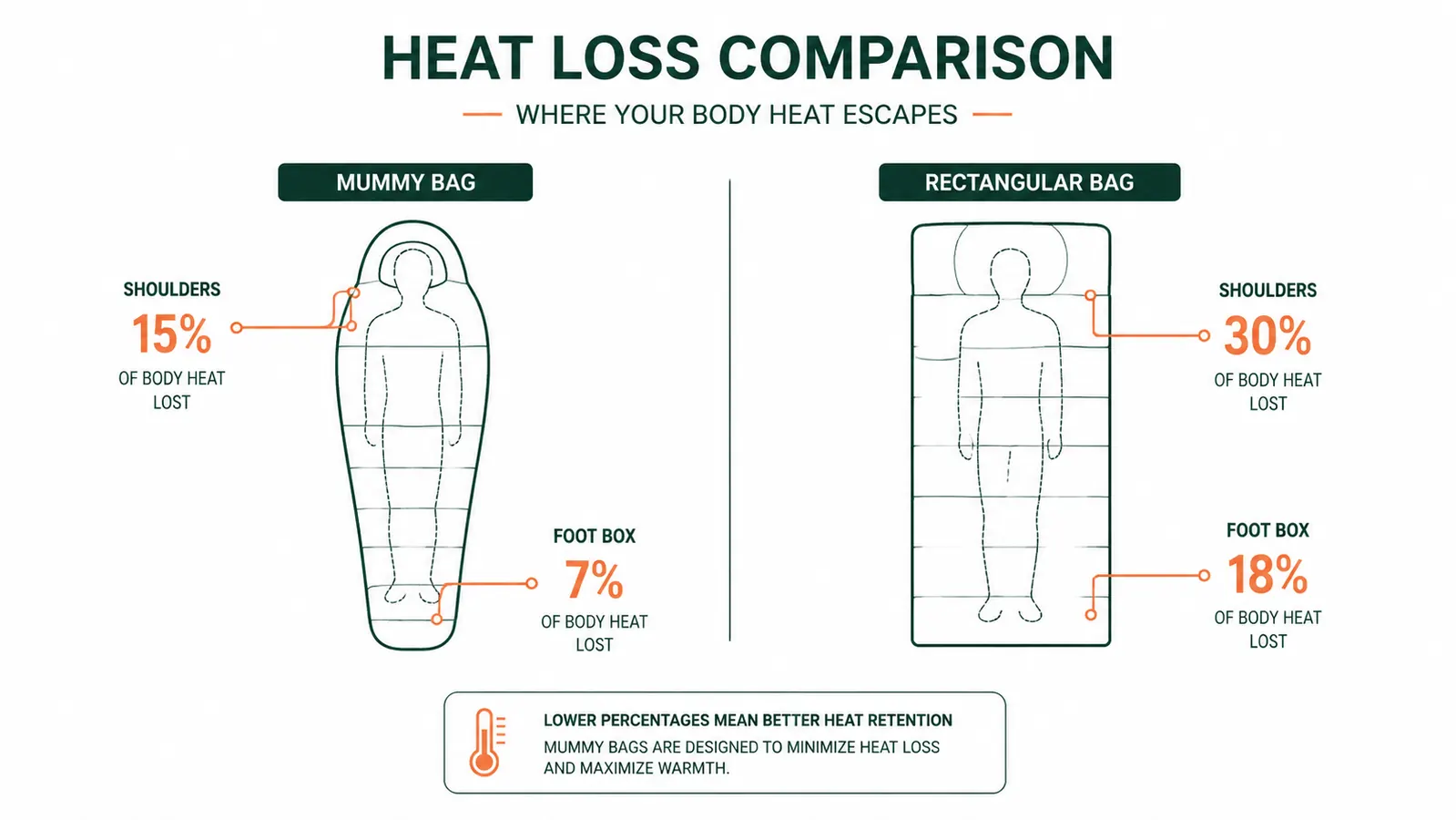
About 30 to 40 percent of the heat you lose at night goes out through your head and neck. A rectangular bag does nothing about that. The TETON Tracker's contoured hood wraps around your face, and the drawcord lets you cinch it down to a fist-sized opening when temperatures drop hard. First cold night I used it, I did not put on a beanie for the first time in years.
The Foot Box Is Shaped Like Feet, Not a Rectangle
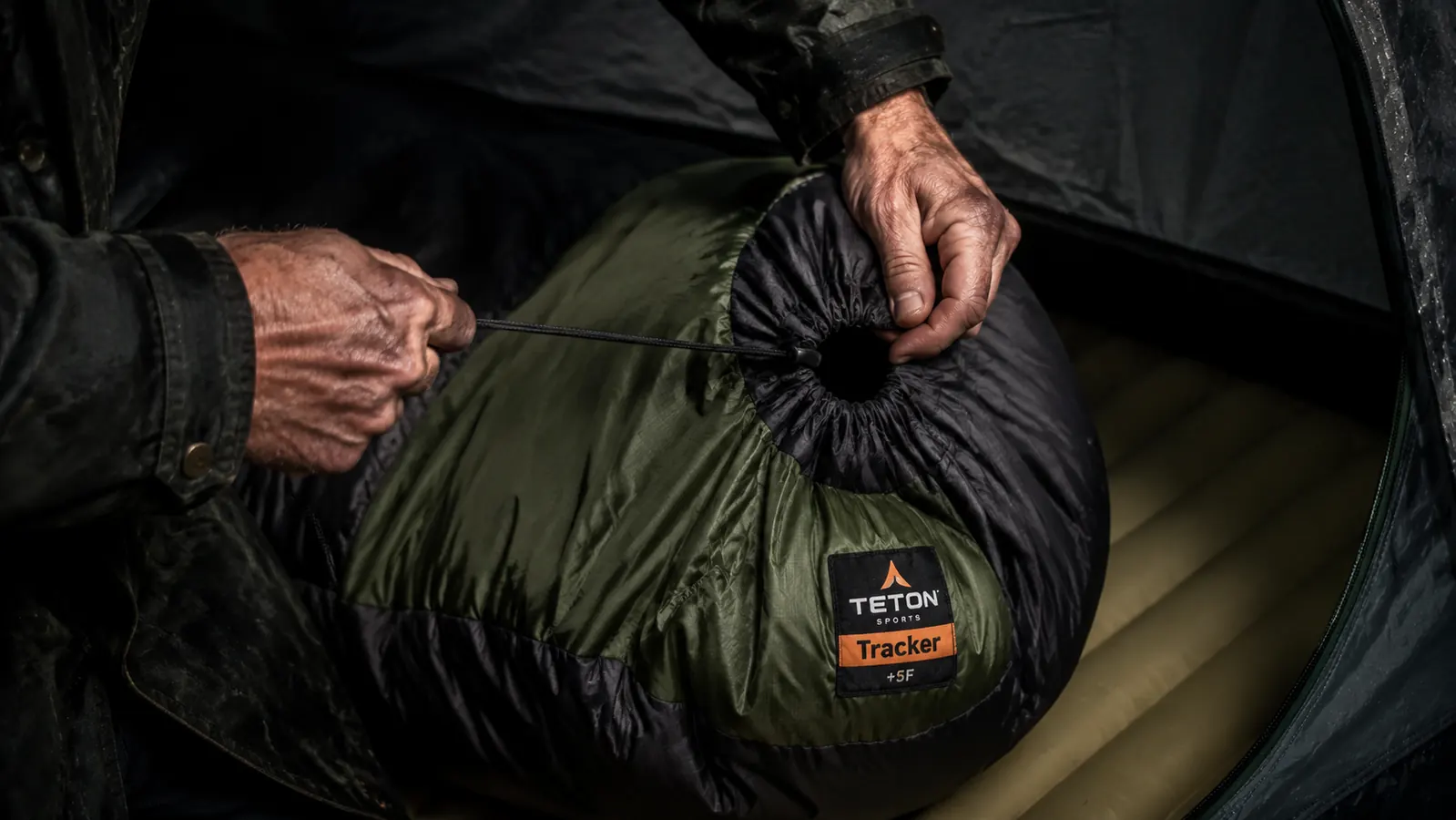
A rectangular bag leaves a cave of dead air below your feet that your body has to heat all night. The Tracker's box foot construction wraps close to the natural position of your feet without compressing your toes. My feet stayed warm even on a 28-degree night at the Icicle Creek campground near Leavenworth, which used to be where I always woke up cold.
It Compresses to Half the Size of My Old Rectangular Bag
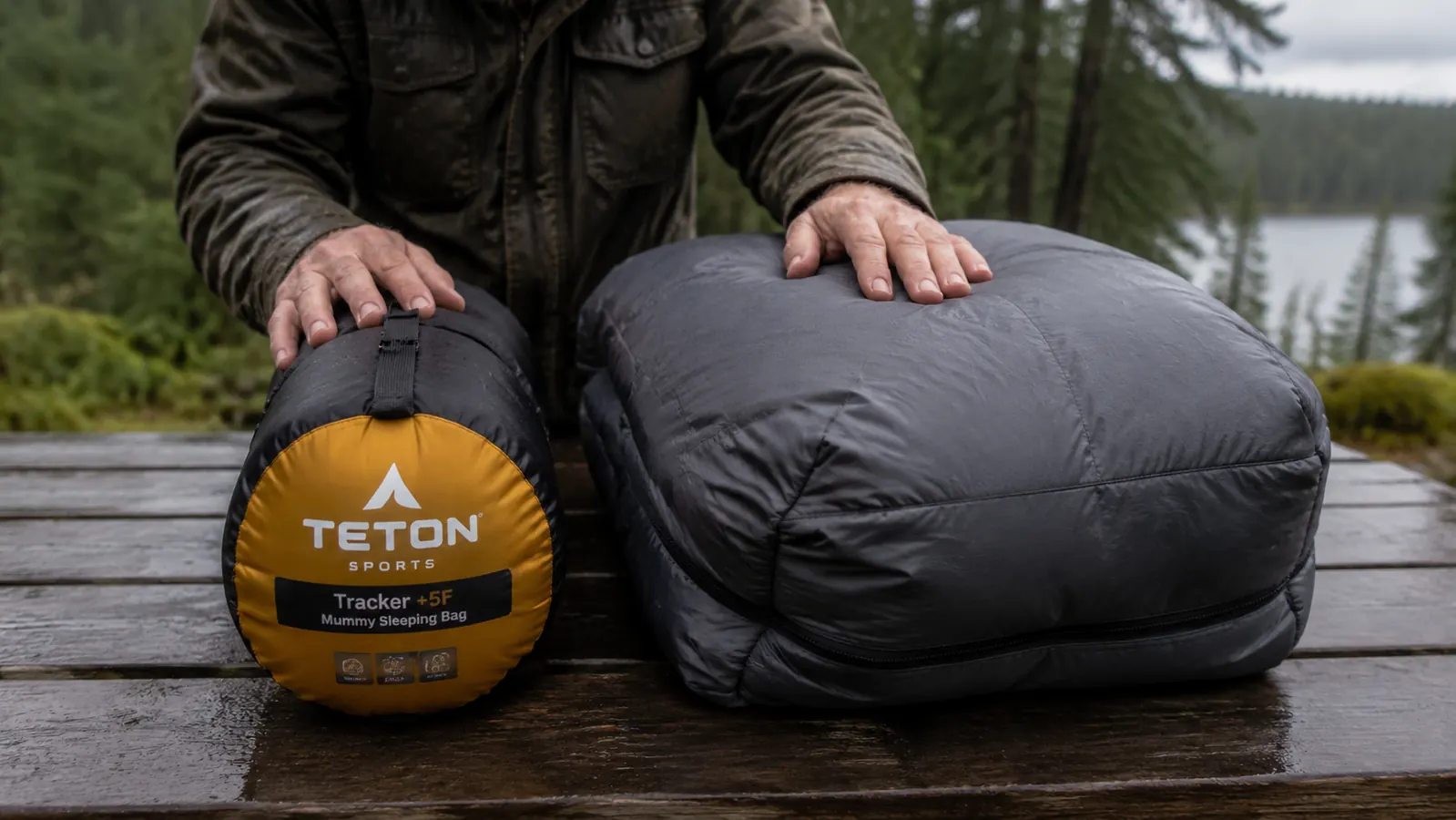
My old rectangular bag stuffed into a sack the size of a watermelon. The Tracker fits in a stuff sack about the size of a large Nalgene. For car camping that might not matter much, but when I am doing any kind of hike-in camping or loading a truck bed efficiently, that size difference frees up meaningful space. It also fits under the bench seat of my F-150.
No Drafts Along the Zipper
The Tracker has a full-length anti-snag zipper with a draft tube running behind it. On my old rectangular bag, there was a gap along the zipper where cold air leaked in all night, especially below my hip. I used to sleep with a rolled fleece pressed against the zipper to block it. I have not needed that workaround once with the Tracker.
The Temperature Rating Is Honest
A lot of cheap rectangular bags are rated to 30F but feel like 50F bags in real use. The Tracker is rated to +5F and when I tested it at 22 degrees (a clear October night at the Hoh River campground), I was genuinely warm in base layers and wool socks. I was not roasting, but I was not doing the shivering math at 3 a.m. either. Read the full breakdown in my long-term review linked below.
A bag rated to 30F that actually performs like a 50F bag is not a deal. It is a cold night waiting to happen. The TETON Tracker's rating has held up across two Washington winters.
It Dries Faster Than a Down Bag in Wet Conditions
The Tracker uses synthetic fill, not down. In PNW humidity and condensation-heavy tents, that matters. If your bag gets damp overnight from tent sweat or an early-morning rain splash, synthetic fill still insulates. Down collapses when wet and takes forever to dry in the field. I have pulled the Tracker out of a wet stuff sack more than once and it still performed. I cannot say the same for my buddy's 800-fill down bag from that same Cascades trip.
The Shoulder Collar Seals Without Pulling
There is a shoulder drawcord on the Tracker that lets you cinch the bag tight across your shoulders when you are not pulling the hood up. This keeps warm air from escaping every time you shift position in the night. On nights between 28 and 35 degrees, I use just the shoulder collar without cinching the hood, and it is enough. That two-setting system gives a lot of flexibility.
Left-Hand Zip Means I Stop Fighting My Camping Partner
My wife and I car camp together most of the time. My old bag zipped on the right. Hers zipped on the right. We could not connect them. The Tracker comes in a right-hand zip version AND a left-hand zip version. Buy one of each and they zip together into a double. We have used them connected on mild fall nights when the gear closet was full and we did not want to dig out the heavy winter bags. Works well.
It Handles the Transition Seasons Better Than Anything Else I Have Tried
May and October in Washington are unpredictable. I have camped at Deception Pass in May with overnight lows at 38 degrees and woken to frost on the picnic table. A bag rated to +5F sounds like overkill until you hit one of those nights. The Tracker handles the cold well and if I get warm, I just unzip the foot vent. Transition-season camping is where most bags let you down, and this one does not.
The Price Does Not Force a Compromise
Most sleeping bags in this temperature rating cost well over $150. The TETON Tracker comes in well under that and 1,733 Amazon reviewers back the performance claims. I did not have to choose between a bag that fits my budget and a bag that handles 20-degree nights. That combination is genuinely rare at this end of the market.
What I Would Skip
The Tracker is not a backpacking-gram-counter's bag. It weighs around 4.5 pounds, which is on the heavier side for a mummy bag at this rating. If you are trying to hit ultralight pack weights for a week-long trip, you will want to look at something like the Kelty Cosmic 20 or spend more on a quality down bag. For car camping and moderate hike-in trips up to a mile or two, the weight is a non-issue. Also, the stuff sack that comes with it is tight. I replaced mine with a slightly larger mesh sack after about six months because the original compressed the fill a bit too hard over time.
If you car-camp between April and November in the Pacific Northwest and you are still using a rectangular bag, you are making every cold night harder than it needs to be.
Two Washington winters later, the TETON Sports Tracker is still the first bag I load for any trip where the overnight forecast drops below 40F.
4.5 stars from over 1,700 campers. Rated to +5F. Synthetic fill that works even damp. If your current bag has let you down on one cold night, it will do it again. Check today's price and see if it fits your situation.
Amazon Check Today's Price on Amazon →