
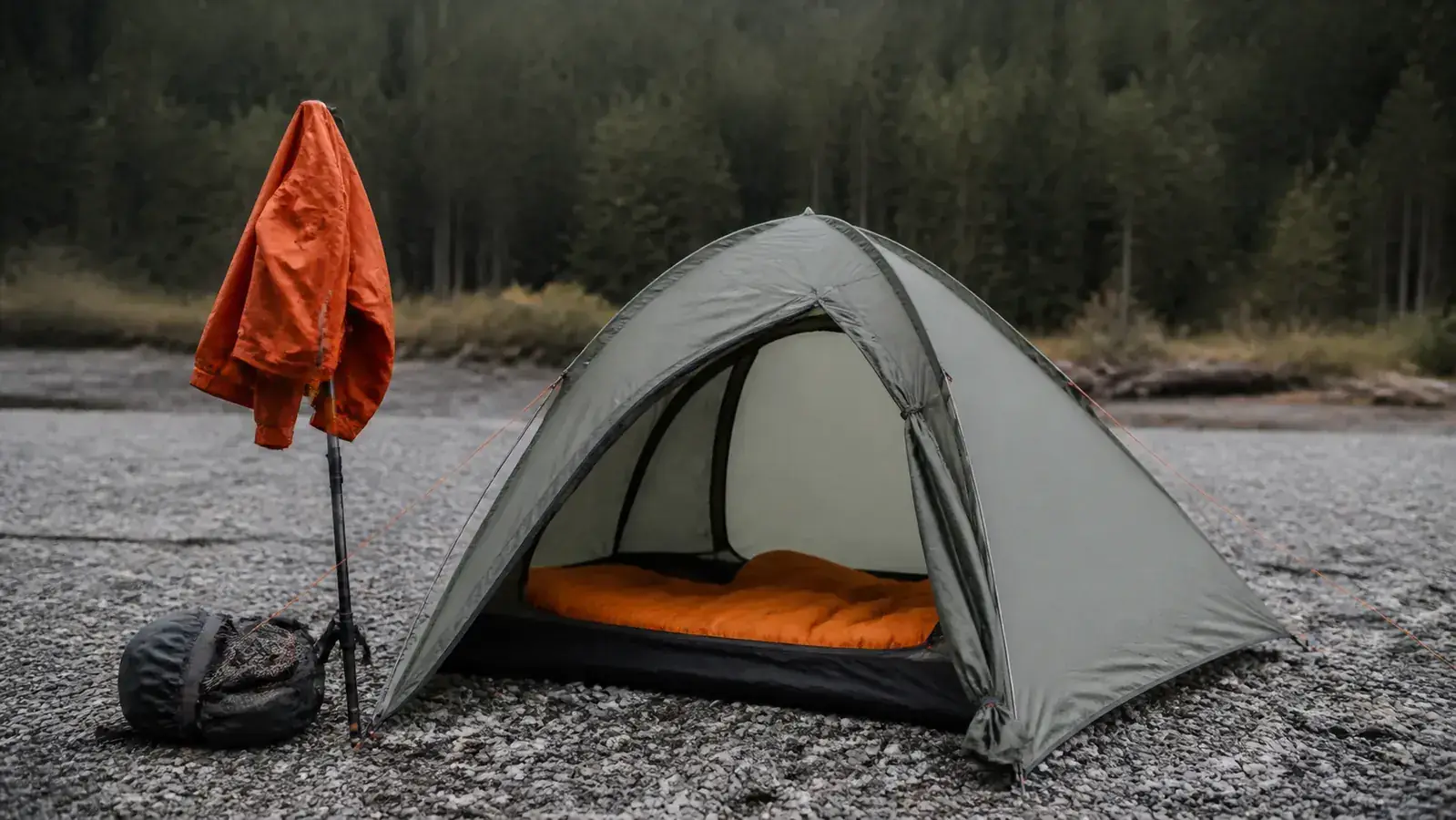
Most Forceatt reviews you find online were written after one or two trips. Someone ordered the tent, got surprised it didn't leak, wrote five stars, and moved on. That's not useless information, but it leaves out the stuff that matters most to someone actually deciding whether to buy. I've had this tent for over a year and have used it on 32 nights across Washington state. I know where it surprises new owners, where the listing oversells it, and what I wish someone had told me before I first unrolled it in a parking lot at 5pm with rain coming. That's what this review is.
The short answer: I still recommend the Forceatt for the right buyer. But getting the right buyer and the right tent matched up requires more honesty than most Amazon listings provide. Let me close some of those gaps.
The Quick Verdict
A capable wet-weather shelter for budget-conscious PNW campers. Earns its 4.6 stars on waterproofing. Loses ground on listing accuracy, pole clip durability, and a vestibule that's genuinely too small for two adults.
Amazon Check Today's Price →Planning a trip where rain is a guarantee, not a maybe? This tent has the waterproofing to handle it. Just know what you're getting before you go.
Forceatt 2-3 Person Backpacking Tent with aluminum poles and 3000mm-rated fly and floor. Check current availability.
Amazon Check Today's Price on Amazon →How I've Used It and Why I'm Writing This
I bought the Forceatt in early 2024 after the floor of my old three-season tent finally gave out. The Forceatt was at the lower end of what I was willing to spend, and I went in skeptical. I've since taken it on overnights in the Cascades, a weekend on the Olympic Peninsula near Lake Quinault, and four trips where the temperature dropped below freezing at some point during the night. My profile: I'm 6 feet tall, 200 pounds, I camp year-round in western Washington, and I have a low tolerance for wet sleeping bags.
I've also watched two friends buy this tent based on online reviews and then come back with questions nobody answered for them: why the inner tent got damp when the fly didn't leak, whether the pole clips are supposed to feel that stiff, and why the tent looks orange in photos but arrived a different shade in person. Those questions are what this review addresses.
If you want the comprehensive long-term use report covering waterproofing performance, pole specs, and trip-by-trip testing, that's in the 14-month Forceatt review. This article covers the gaps the other reviews skip.
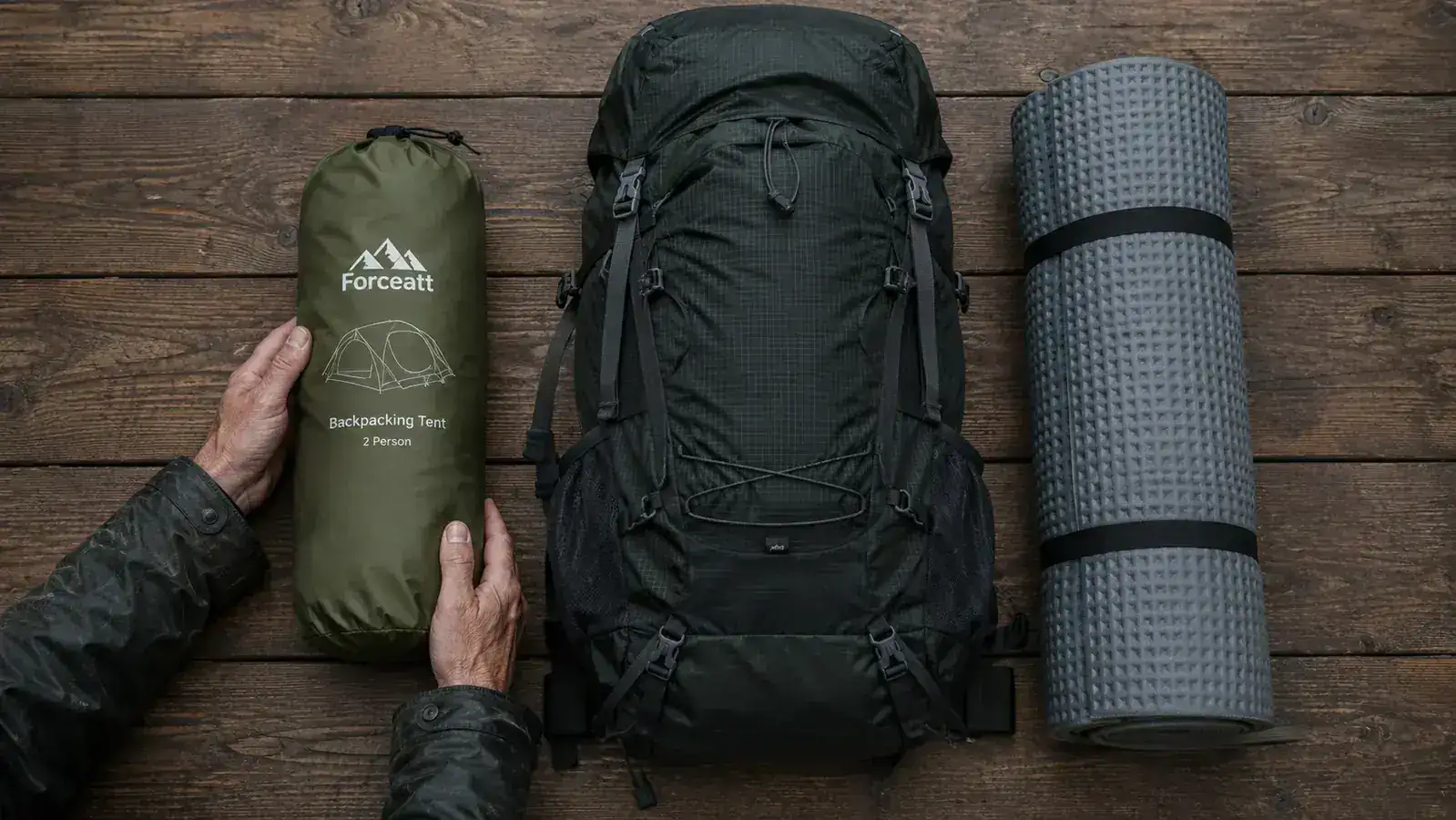
Thing One: The Listing Photos Are Misleading
The Amazon photos show the tent in a warm, saturated orange that reads as almost fluorescent. In person, mine arrived in a muted burnt-olive color, closer to desert tan in dim light. This isn't a defect. It's product photography doing what product photography does: making things pop against a white background. But I've heard from buyers who were surprised, and in a survival or backcountry context, color actually matters. High-vis orange can be spotted from a distance if you're in trouble. Muted tan blends in. Know which you're getting.
The other photo issue is scale. The listing shows what looks like a roomy interior. That's shot with a wide-angle lens from a low angle, which is standard product photography practice and also genuinely misleading for a tent. The actual floor is 90.5 inches long and 59 inches wide at the widest point. Lay two sleeping pads side by side and you have maybe six inches of clearance on each side. That's not roomy. It's adequate for two people, which is fine, but it's not what the photos suggest.
Thing Two: '3-Person' Is a Fiction Worth Understanding
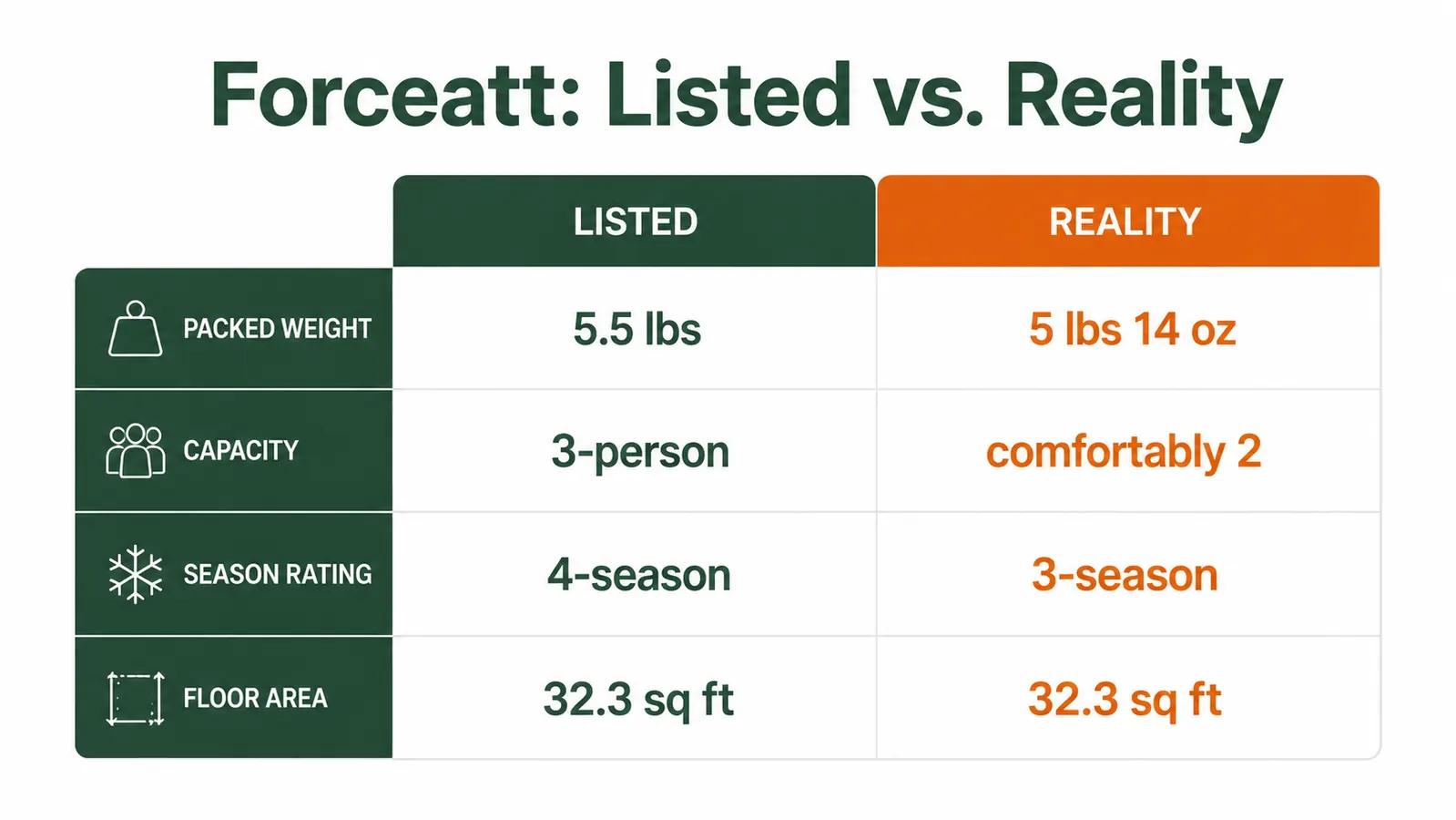
The listing calls this a 2-3 person tent. I want to be specific about what that means, because 'up to 3 persons' is not the same as 'comfortable for 3 persons.' Three adults sleeping shoulder-to-shoulder in this tent is possible in the same way that three people can share a single full-size bed: physically achievable, socially unpleasant, and not something any of them will want to repeat.
The honest capacity is two adults with their sleeping bags and a small amount of gear inside, or one adult with gear and a dog. Two adults and two 65-liter packs requires a decision: either the packs go under the vestibule (which means one pack is half-exposed) or the packs go inside the tent (which means someone is sleeping curled around a bag). I've done both. Neither is comfortable for a multi-night trip. The 3-person claim exists to compete in a search category, not to describe real usable space.
Three adults in this tent is physically possible in the same way that three people can share a full-size bed. Technically true. Not a thing you want to do twice.
Thing Three: '4 Seasons' Needs a Footnote
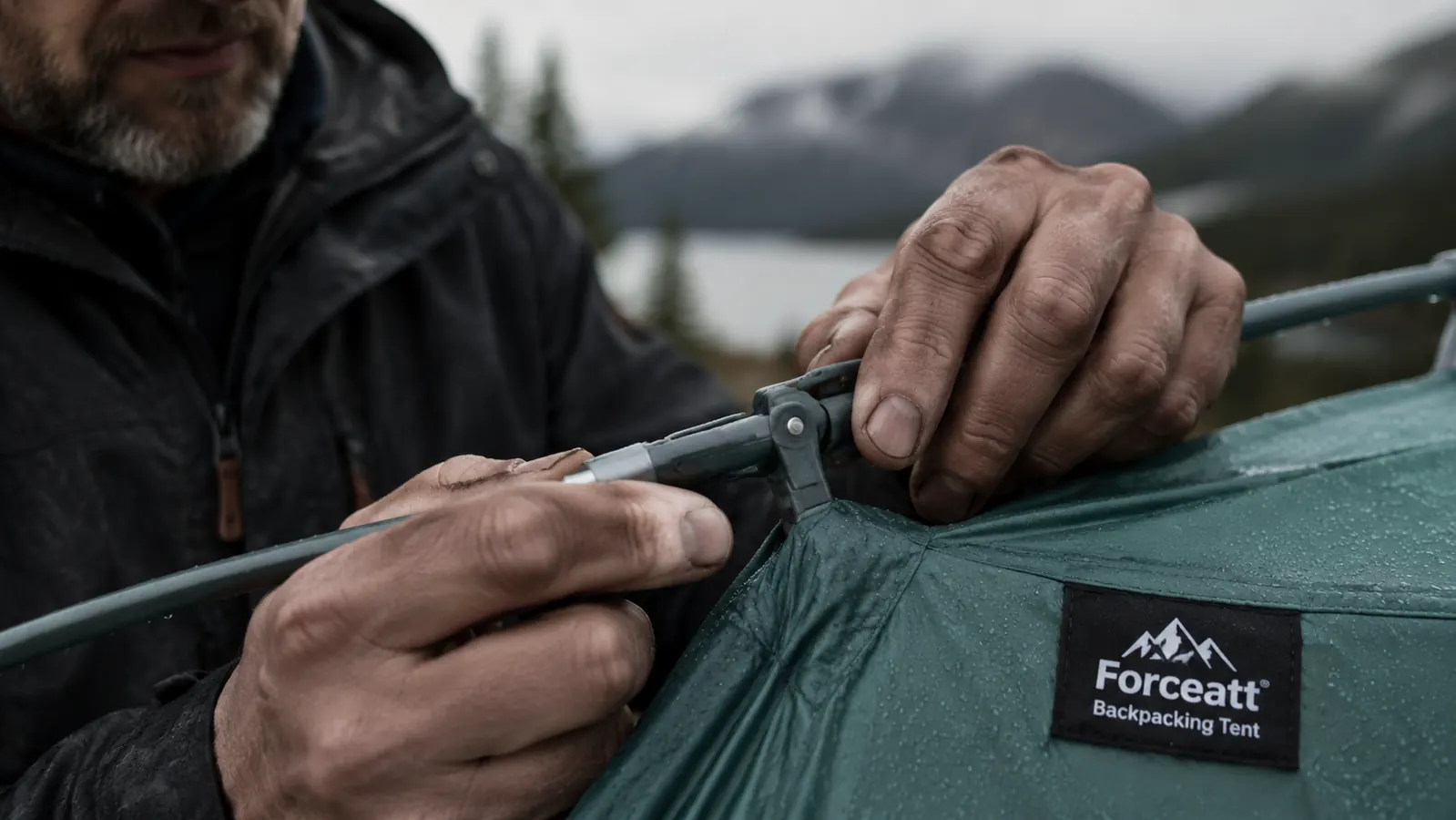
The full product title includes the phrase 'for 3 to 4 Seasons.' I want to be careful here because this is where buyer expectations get most misaligned with product reality. The Forceatt is not a 4-season mountaineering tent. It's a 3-season tent with enough build quality to handle mild 4th-season conditions at lower elevations.
What it can handle: frozen ground, light snow accumulation, sustained rain in freezing temperatures, and wind gusts that would collapse a department-store tent. I've confirmed all of that from personal use. What it cannot handle reliably: heavy snow loading, which the pole geometry doesn't shed efficiently, and sustained alpine winds above treeline at elevation. If you're planning winter mountaineering or above-treeline snow camping, the 4-season framing will get you into trouble. The Forceatt performs best from March through November in PNW conditions, with the caveat that 'November in the Cascades' can mean a lot of different things depending on elevation and aspect.
This is not a fatal flaw for most buyers. Most people reading this are not doing winter mountaineering. But if you read '4 seasons' and started thinking about January trips to high-elevation basecamp sites, check your assumptions before you go.
Thing Four: The Setup Instructions Are Nearly Useless
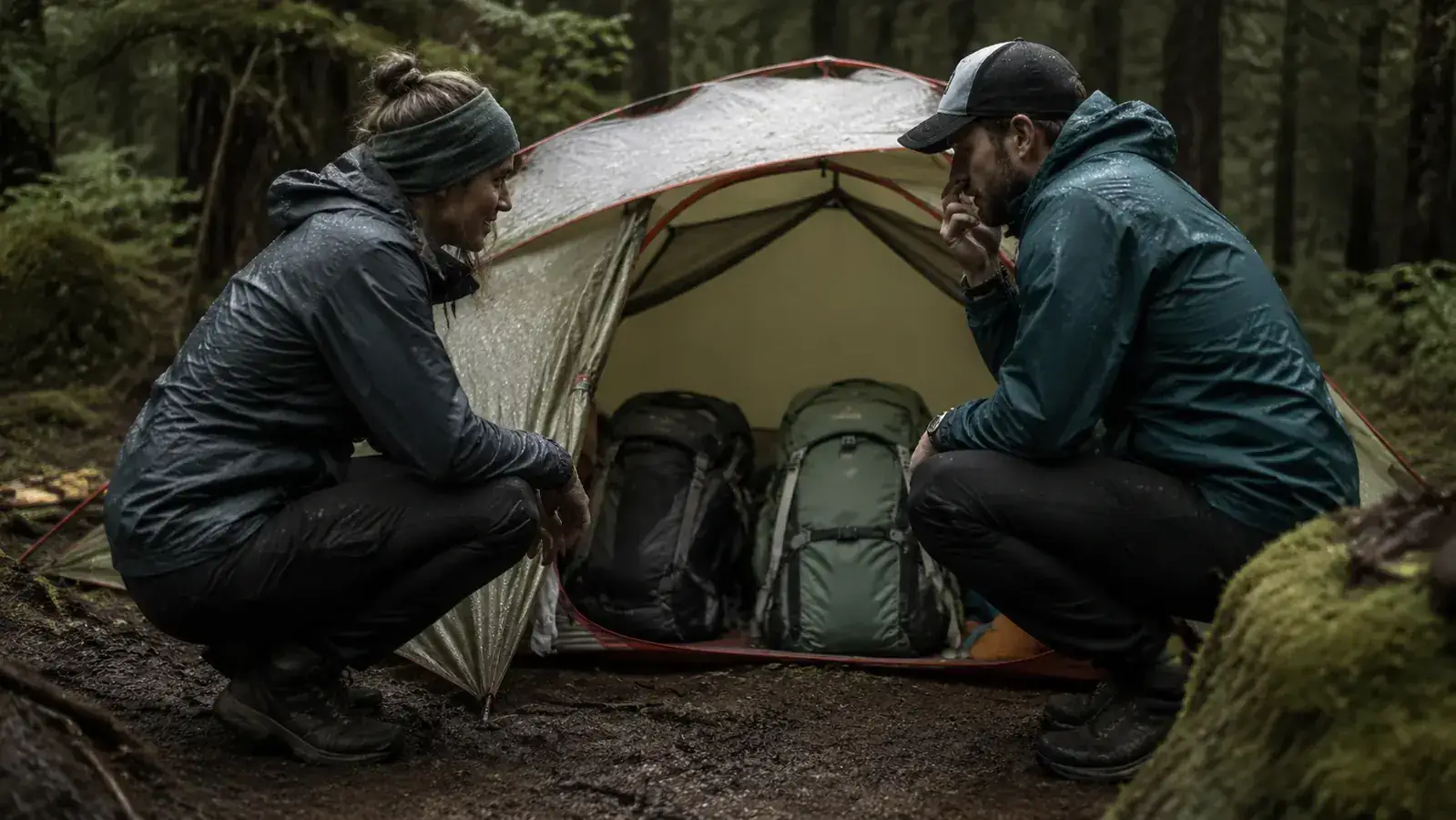
The included instruction sheet is a small laminated card with line drawings that show roughly where the poles go. That's it. There's no written description of the vestibule stake-out points, no explanation of the brow pole configuration at the door, and no guidance on what 'staked-out fly geometry' looks like when done correctly versus done poorly. The first time I pitched this tent, I had the fly too loose at the corners, which meant the airspace between fly and inner tent collapsed in places. That's how you get condensation dripping on your gear even though the fly itself isn't leaking.
Here's the correction: the fly has four corner stake-out loops and two additional side loops that most first-time users don't stake. Stake all six. Pull the fly away from the inner tent at the corners until there's a visible gap of at least three inches at the widest point. Check the gap with a hand before you close up for the night. That gap is what moves moisture away from the sleeping area. If you don't have that gap, you will wake up with damp spots on your sleeping bag liner even in a tent that isn't leaking.
This isn't a flaw exactly, it's a setup literacy issue, but it's one that cheap tent listings routinely fail to address and that costs new owners a miserable night before they figure it out.
Thing Five: The Pole Clips Pick Up Grit and It Matters
The Forceatt uses a clip system to attach the inner tent to the poles. The clips are plastic, hinged, and color-coded. They work well when clean. After five or six trips, grit and pine debris work into the hinge point and the clips start to feel stiff. On cold mornings with cold hands, a stiff clip is genuinely annoying. None of mine have cracked or broken, but two have enough grit in them now that I need to use a fingernail to pop them open.
The fix is simple: after every few trips, run each clip under a stream of water and work it open and closed a few times. If there's visible debris, a toothpick gets it out. Ten minutes of maintenance extends the useful life of these clips significantly. I mention this because I didn't know to do it for the first six months, and the clips on a friend's Forceatt cracked when he forced one cold and stiff on a winter trip. That's an avoidable failure.
Thing Six: What to Expect When Packing It Wet
The Forceatt comes with a stuff sack that's sized to fit the tent when it's bone dry and perfectly folded. Real use means real conditions: you'll often be breaking camp in drizzle, rolling up a wet fly, and cramming things into the sack because you need to get moving. The dry-stuffed sack requires patience even when things are dry. The wet version requires patience and some frustration.
I switched to a compression stuff sack on my third trip and haven't looked back. A larger-diameter sack that you can actually roll-and-compress gets the tent stowed in about half the time. The original stuff sack is fine for car-camping where you can take your time. For any trip where you're breaking camp under time or weather pressure, buy a compression sack before your first trip and spare yourself the argument with a wet nylon bag.
The bigger issue with wet packdowns: if you store the tent wet, even for 48 hours, you risk early delamination of the fly coating. The DWR treatment on the fly is what causes water to bead and run off rather than saturate the fabric. Heat and prolonged damp both degrade it. I've always pitched the tent in my garage for a few hours after a wet trip, let it dry, then stored it. So far the fly beads water as well as it did new. Whether that holds through another year I can't tell you yet, but the pattern of avoiding wet storage seems to matter.
Thing Seven: The Gear Loft Is Too Small to Matter
There's a small mesh gear loft attached to the top of the inner tent. It holds a phone, a headlamp, and maybe a small stuff sack of toiletries. That's roughly it. Some reviews mention it as a feature. I mention it as something that sounds useful and isn't quite. Don't factor it into your decision. If you want real interior storage, get a small mesh organizer that clips to the peak. The loft is better than nothing and worse than what you'd hope for.
What I Liked
- 3000mm hydrostatic rating on fly and floor holds up through sustained PNW rain, not a marketing number
- Aluminum poles haven't bent, cracked, or fatigued through below-freezing temperatures over multiple seasons
- Factory seam tape has stayed bonded even after wet packdowns and garage storage mistakes
- Color-coded pole clip system makes setup repeatable in low light after you learn the tent
- Zippers have held up well past the point where most budget tent zippers begin to fail
- Weight is honestly represented in the listing, within a couple ounces of advertised
Where It Falls Short
- Listing photos use a warm-orange color grade that doesn't match the muted real-world color
- 3-person capacity is not usable capacity, plan for two adults maximum
- '4 seasons' framing is misleading, this is a 3-season tent with some cold-weather capability
- Setup instructions are insufficient, the fly stake-out geometry is not explained and matters a lot
- Pole clips pick up grit and stiffen with use, require cleaning every few trips
- Included stuff sack is too small for field conditions, plan to replace it
- Gear loft is undersized to be genuinely useful
Who This Is For
This tent makes the most sense for a PNW camper who knows they'll be in rain and wants a shelter that won't flood. If you're in the Cascades or the Olympics from April through October, and you're not going above treeline in a storm, this tent does the job at a price that's hard to argue with. It also makes a solid preparedness tent for a vehicle kit or bug-out bag: it packs down reasonably small, handles wet weather, and doesn't cost so much that you'd hesitate to actually use it in a bad situation.
Solo backpackers who accept the weight tradeoff will find it comfortable and weatherproof. Couples who split the weight will find it functional. Families who want to fit three adults will find it undersized. If you want a full comparison against a premium alternative at a very different price point, I've laid that out in detail in the Forceatt vs MSR Hubba Hubba breakdown.
Who Should Skip It
Skip it if you're three adults who want genuine sleeping room. Skip it if you're heading above treeline in winter or into an alpine environment where snow loading is a real risk. Skip it if you can't tolerate some setup learning curve in your first few trips. And skip it if you need exact color visibility, say for search-and-rescue visibility or personal preference, because the real-world color is less visible than the listing suggests.
Also skip it if you believe the 4-season marketing without that footnote. The tent performs well for what it actually is, and poorly relative to what the phrasing implies. Three-season campers who read the spec sheet will be satisfied. Four-season alpinists who take the listing at face value will be disappointed.
If you camp where it rains and you're not asking it to do things it wasn't built for, the Forceatt earns its keep.
It has a 4.6-star rating across nearly 1,900 Amazon reviews, and those stars are earned on the things that matter most: waterproofing and weatherproofing at a fair price. Check availability before your next trip.
Amazon Check Today's Price on Amazon →